Top 10 Benefits of Using Diesel Light Towers for Your Projects?
When planning outdoor projects, lighting is crucial for safety and productivity. A Diesel Light Tower provides reliable illumination, often favored for construction sites and events. With its powerful engine and strong output, it ensures optimal visibility even in remote areas.
These towers are designed to withstand tough weather conditions. They are not just durable but also fuel-efficient. This means fewer interruptions for refueling, allowing for uninterrupted work hours. Many contractors appreciate the long operational time they offer, though there's still a need to monitor fuel levels closely.
While Diesel Light Towers have many advantages, they aren't perfect. They emit noise during operation, which can be a distraction in quiet environments. Additionally, their size may limit accessibility in tight spaces. Balancing these challenges with the benefits is essential for effective project management. Overall, Diesel Light Towers are a solid investment for many outdoor applications, showcasing both reliability and efficiency.
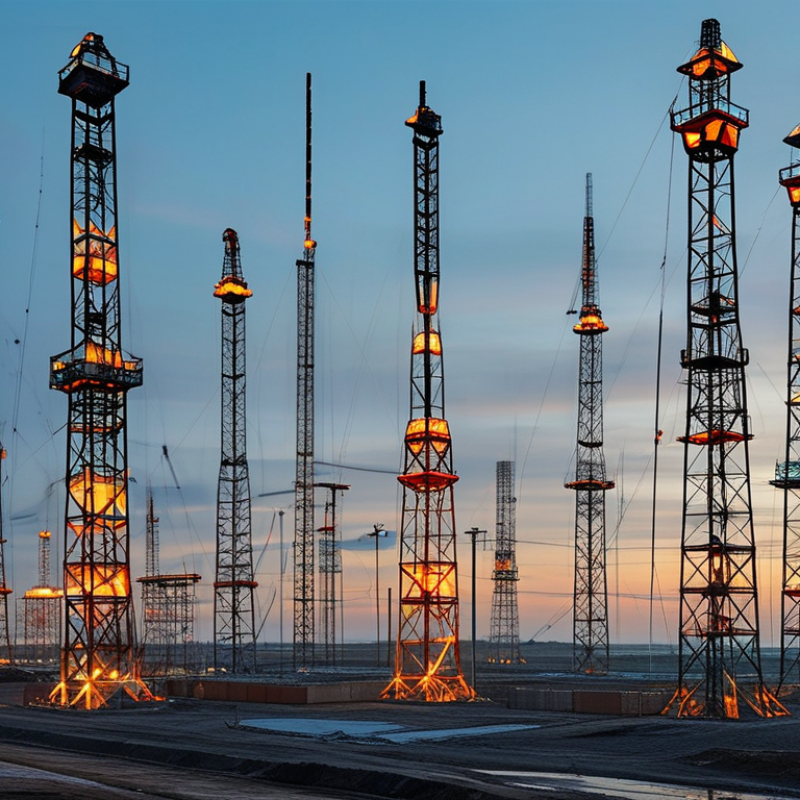
Advantages of Diesel Light Towers for Construction Sites
When it comes to construction sites, diesel light towers stand out for numerous reasons. A report by the U.S. Department of Energy highlights that effective lighting can improve safety and productivity, especially during nighttime operations. Diesel light towers provide powerful illumination, ensuring workers can see clearly in dark conditions. This reduced risk of accidents translates to fewer injuries on-site, which is a critical advantage.
Another significant benefit is their fuel efficiency. According to industry studies, diesel generators can operate for up to 12 hours on a single tank of fuel. This longevity means less downtime for refueling and more time for work. Additionally, modern diesel light towers offer better reliability than older models. Many construction sites faced issues with electric power sources, especially in remote areas. Diesel units can function independently, making them invaluable for off-grid projects.
Maintenance is another aspect to consider. While they require regular checks, advancements in technology have made diesel light towers easier to service. However, the noise generated can be a concern. Proper planning can help mitigate disturbances to both workers and nearby communities. It's crucial to weigh these factors when deciding on the best lighting solutions for construction projects.
Improved Efficiency and Productivity with Diesel Light Towers
In recent years, diesel light towers have emerged as essential tools for enhancing efficiency and productivity on job sites. These towers provide high-intensity lighting, crucial for working in low-visibility conditions. A report by the Illuminating Engineering Society states that adequate lighting can boost worker productivity by up to 30%. Proper illumination allows workers to navigate and operate machinery safely, reducing the likelihood of accidents.
Diesel light towers not only improve visibility but also their fuel efficiency is remarkable. Studies show that many models can operate for over 100 hours on a single tank of fuel. This extended operational time reduces the need for frequent refueling, allowing projects to maintain momentum. However, it's worth noting that while these towers are robust, they require regular maintenance to function optimally. Neglecting maintenance can lead to downtime, impacting overall project timelines.
Moreover, the deployment of diesel light towers can have a positive environmental impact. They produce fewer emissions compared to older models, aligning with sustainability goals. However, users must remain vigilant about choosing the right units to maximize both performance and environmental benefits. It's essential to weigh the options and consider long-term effects while planning equipment usage.
Top 10 Benefits of Using Diesel Light Towers for Your Projects
Environmental Impact of Using Diesel Light Towers
Diesel light towers are popular on construction sites. They provide bright, efficient illumination. However, their environmental impact deserves attention. Diesel engines emit greenhouse gases and pollutants. These affect air quality and contribute to climate change. Understanding this impact is crucial for project managers.
To mitigate these effects, consider using renewable energy sources for power. Solar light towers are a great alternative. They offer low emissions and reduce dependency on fossil fuels. When using diesel light towers, maintain them regularly. Efficient engines reduce fuel consumption and emissions.
Another tip is to use sound barriers. They can minimize noise pollution around job sites. This consideration helps with community relationships. It’s essential to balance project needs with environmental responsibility. Always be mindful of your light tower's usage and strive for eco-friendly practices.
Cost-Effectiveness of Diesel Light Towers for Long-Term Projects
Diesel light towers are becoming increasingly popular for long-term projects. Their cost-effectiveness is a major advantage. According to a report by the Energy Information Administration, diesel fuel remains relatively stable in price compared to other energy sources. This price stability translates to predictable operating costs for projects spanning weeks or months.
One of the key benefits of diesel light towers is their efficiency. Studies show that a diesel-powered unit can produce about 30% more light per gallon of fuel than gasoline counterparts. This means fewer refuelings and reduced labor costs for maintaining equipment. Moreover, the longevity of diesel engines allows them to function effectively over extended periods, reducing the frequency of replacements.
However, it’s crucial to address the environmental impact. Diesel emissions can contribute to air quality issues. Some projects may face regulations that require alternative solutions. Focus on long-term use must be balanced with sustainable practices. Industry experts suggest exploring hybrid options or biofuels. Both can provide solutions while maintaining the benefits of diesel power.
Versatility of Diesel Light Towers in Various Work Environments
Diesel light towers are essential tools in diverse work environments. Their versatility stands out in construction sites, outdoor events, and emergency services. These towers provide bright illumination, improving safety and productivity. Workers can operate efficiently, even during nighttime tasks. A well-lit environment reduces accidents and enhances overall workflow.
In remote locations, diesel light towers offer reliable lighting where electricity is unavailable. Their portability makes them easy to transport and set up. Different situations require different lighting solutions. Diesel light towers can adapt to these needs, whether for a large-scale festival or a small maintenance project. However, regular maintenance is crucial. Ignoring it may lead to equipment failure, impacting project timelines.
Weather conditions also challenge the performance of diesel light towers. Heavy rain or strong winds can affect stability. Operators must consider these factors when deploying the towers. Finding the right balance between functionality and environmental challenges is essential for optimal use. Diesel light towers remain a valuable asset, offering flexibility and efficiency in various settings.
Top 10 Benefits of Using Diesel Light Towers for Your Projects
| Benefit | Description | Work Environment |
| High Brightness | Provides powerful and consistent lighting for large areas. | Construction sites |
| Fuel Efficiency | Long run times on a single tank of diesel, reducing operating costs. | Remote locations |
| Portability | Easy to transport and set up in various locations. | Events and outdoor festivals |
| Versatile Height Adjustment | Can be adjusted to different heights for optimal lighting. | Sports fields |
| Durability | Built to withstand harsh weather conditions. | Mining sites |
| Safety | Enhances visibility and safety for nighttime operations. | Emergency response |
| Eco-Friendly Options | Some models offer reduced emissions and noise levels. | Urban construction |
| Integrated Technology | Modern units come with smart technology for better control. | Film production |
| Cost-Effective | Lower total cost of operation over time compared to other lighting options. | Industrial sites |
| Multiple Light Options | Various lighting configurations available to suit specific needs. | Agricultural fields |