Top Tips for Choosing the Best Drum Cart for Your Needs?
Choosing the right drum cart is crucial for efficiency and safety in various industries. According to a recent report by the American Industrial Equipment Association, around 70% of workplace injuries could be linked to improper material handling equipment. A reliable drum cart not only minimizes risks but also enhances productivity.
Industry expert, John Smith, emphasizes, “The right drum cart can transform your workflow while ensuring safety.” With so many options available, selecting the best one can be overwhelming. Factors like weight capacity, maneuverability, and material quality play significant roles in making the best choice.
Having a clear understanding of your specific needs is essential. Many users overlook the importance of durability and stability in a drum cart. This oversight can lead to challenges in daily operations. Thus, evaluating your requirements and considering expert insights are vital steps in finding the ideal drum cart for your needs.

Understanding Your Specific Needs for a Drum Cart
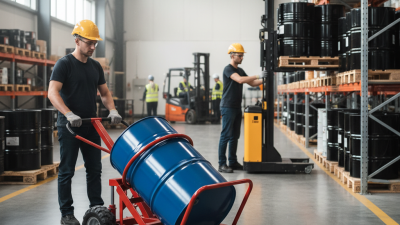
When selecting a drum cart, understanding your specific needs is crucial. Drum carts serve various purposes, whether for transporting barrels in a warehouse or moving materials around a construction site. The right cart can significantly impact efficiency and safety. According to industry studies, improper cart selection can lead to 30% more effort and increased risk of injury.
One key consideration is weight capacity. Know how much your cart needs to carry, factoring in the weight of the drums. For instance, a standard 55-gallon drum weighs approximately 450 pounds when full. Additionally, consider the cart’s maneuverability. A cart with swivel wheels enhances navigation in tight spaces.
Material is another critical aspect. Steel carts offer durability, while plastic options are lightweight and resistant to corrosion. Analyze the environment where the cart will be used. Will it encounter wet or hazardous conditions? This will dictate your choice further.
Evaluate your storage needs as well. Some carts come with shelving or hooks, which can organize tools or accessories effectively. A well-chosen drum cart will not only streamline your workflow but also enhance overall safety. Make informed choices based on these considerations to meet your operational demands efficiently.
Top Tips for Choosing the Best Drum Cart for Your Needs
| Feature |
Description |
Importance Level |
| Weight Capacity |
The maximum weight the drum cart can support |
High |
| Material |
The type of material used for the cart's construction |
Medium |
| Portability |
Ease of transport, including wheel quality and handle design |
High |
| Adjustability |
The ability to adjust height or size for different drums |
Low |
| Storage Capacity |
How many drums or accessories can be stored at once |
Medium |
| Price |
The overall cost of the drum cart |
High |
Key Features to Look for in a Drum Cart
When choosing a drum cart, several key features can enhance your experience. Firstly, consider the weight capacity of the cart. A sturdy construction ensures that it can handle heavy loads securely. Look for carts that have a reinforced frame. This will add reliability and extend the lifespan of your cart.
Another important feature is the wheel design. Large, durable wheels provide better mobility. They allow you to navigate uneven surfaces easily. If you often transport drums over rough terrain, opt for carts with all-terrain wheels. They can make a significant difference in maneuverability.
Also, think about the cart's handle design. An ergonomic handle will reduce strain during transport. Some carts have adjustable handles to accommodate different users. This adds to their versatility. Test the handle before purchasing to ensure it feels comfortable. Be mindful of your specific needs to prevent any regrets later on.
Comparing Different Types of Drum Carts Available
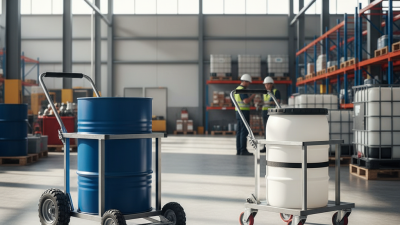
When selecting a drum cart, it's essential to consider various types available on the market. Two common types are platform carts and tilting drum carts. Platform carts typically feature a flat surface supported by sturdy wheels. They can be useful for transporting multiple drums at once, leading to fewer trips. Many users report a maximum weight capacity of around 1,000 pounds, making them suitable for industrial applications.
On the other hand, tilting drum carts provide an ergonomic advantage. They allow for easier maneuvering when loading or unloading. A report by the American National Standards Institute highlights that improper lifting and transporting methods cause numerous workplace injuries each year. Choosing an ergonomic design can significantly reduce the risk of strain and injury.
Some carts also come with additional features like locking wheels for stable transport and foldable designs for easy storage. These specifications can greatly influence decision-making. It's important to evaluate your specific handling needs. While many carts offer excellent durability and functionality, factors like weight and ease of use might make a certain type more viable. Each option has its pros and cons. Choosing the right one is not just about preferences; it impacts overall operational efficiency.
Top Tips for Choosing the Best Drum Cart for Your Needs
Evaluating Durability and Material Quality in Drum Carts
When selecting a drum cart, durability and material quality are crucial factors. Look for carts made of high-grade steel or aluminum. These materials offer strength and resistance to wear. A solid cart can handle heavy loads without bending or breaking. However, consider the weight of the cart itself. A heavier cart may be sturdier but can also be cumbersome to move. It’s important to find a balance that works for you.
Examine the construction details. Welded joints tend to be more reliable than bolts, which can loosen over time. The wheels should be durable and suited for different terrains. Consider how often you will use the cart. Frequent use may require higher quality materials. Pay attention to the finish, too. A weather-resistant coating can prolong the cart's life.
Don’t overlook the practicality of storage. Some carts fold for easier transport and storage. Testing the cart before purchase can help you gauge ease of use. Reflect on your specific needs—this includes load capacity and maneuverability. Generally, a durable drum cart should meet your requirements, but it’s wise to anticipate potential wear and adapt accordingly.
Budget Considerations When Choosing a Drum Cart
When choosing a drum cart, budget is a crucial factor. Many individuals overlook this aspect, leading to potential misfits between needs and finances. A low-cost cart might seem attractive initially. However, if it fails to support your equipment or breaks easily, it can lead to more expenses later.
Consider the materials used in the drum cart. Metal frames often offer better durability than plastic ones. But, they can come with a higher price. Assessing your frequency of use helps. If you plan to use the cart for heavy gigs or events, investing a bit more can save you from future repairs and replacements. Think about the long-term benefits.
It's also essential to evaluate additional features. Some carts include adjustable heights or extra storage. Weigh these against your specific needs. Spending too little may limit your options, while overspending can strain your budget without adding value. Balancing quality and cost requires careful reflection. Test several options, and ask for advice from fellow musicians if needed. Finding the right balance is key.