2026 How to Choose the Best Material Handling Carts?
Choosing the right material handling carts can significantly impact your operations. These carts come in various designs and materials, each serving different purposes. For instance, some carts are made of durable steel, while others are lightweight plastic.
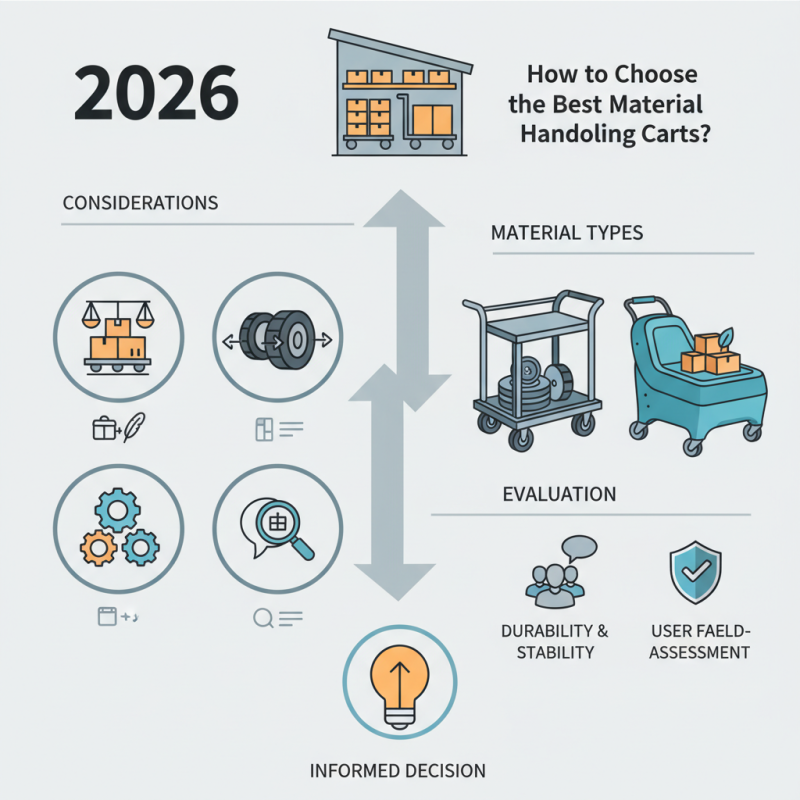
Consider the specific needs of your business. Will you be transporting heavy loads or delicate items? Each requirement will guide your choice. Think about the weight capacity, wheel design, and overall maneuverability of the carts. Reflecting on these factors is crucial for efficiency.
However, not all options are perfect. Some material handling carts may lack stability or durability. It’s essential to assess these shortcomings critically. Explore user reviews and seek recommendations before purchasing. This careful consideration will help you avoid potential pitfalls and make an informed decision.
Understanding Material Handling Carts and Their Importance
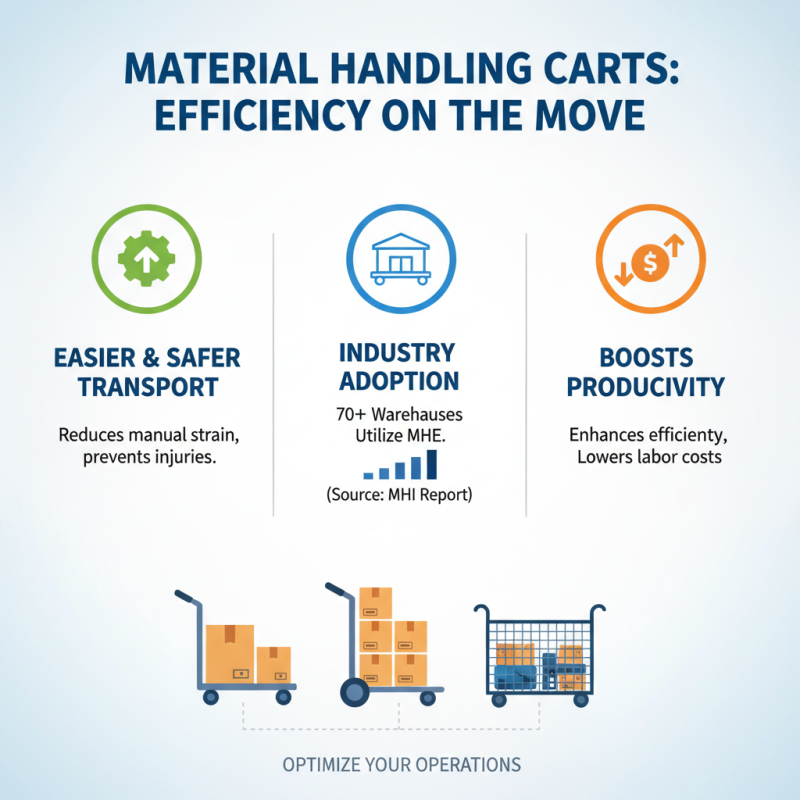
Material handling carts play a critical role in various industries. They make transporting goods and materials easier and safer. According to a report by the Material Handling Industry of America, over 70% of warehouses utilize some form of material handling equipment. The right cart can enhance efficiency and reduce labor costs significantly.
These carts come in various designs. They can be tailored to handle specific types of materials. For example, heavy-duty carts are ideal for transporting bulk items, while specialized carts cater to unique needs. Many companies still overlook the importance of selecting the right material. Using an inappropriate cart can lead to accidents and injury. A staggering 25% of workplace injuries are related to improper lifting techniques, which could be mitigated through effective cart use.
Material handling carts are not just functional; their design affects productivity too. Ergonomically designed carts reduce strain on workers, boosting morale. However, some companies fail to invest in the latest technology, missing out on innovation. Research indicates that organizations that prioritize proper cart usage see a 30% increase in operational efficiency. The right investment in material handling solutions is essential for growth and safety.
Types of Material Handling Carts and Their Applications
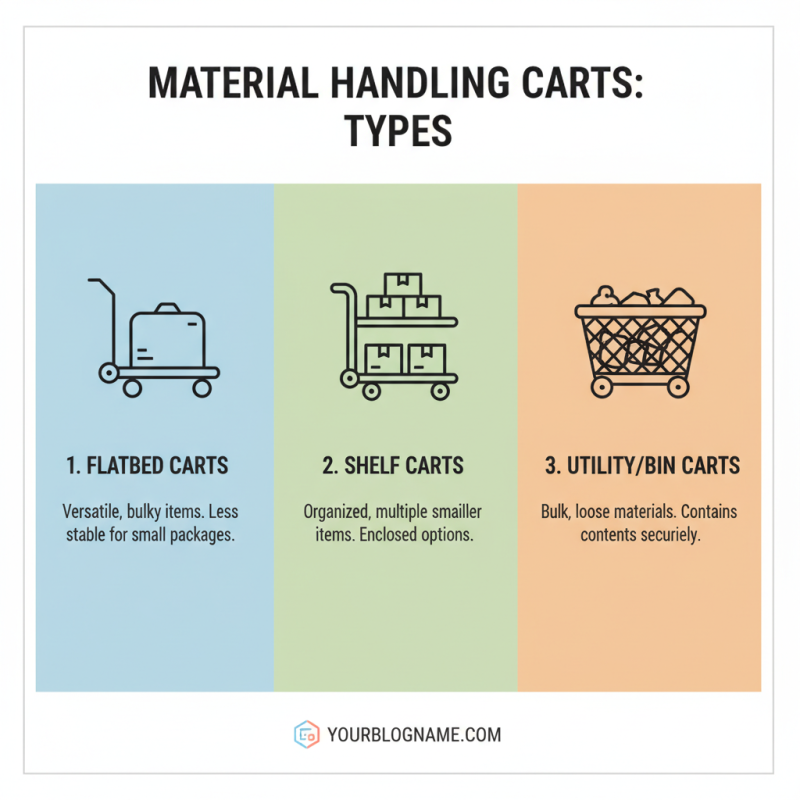
When selecting material handling carts, understanding their types is crucial. There are various categories available in the market. For instance, flatbed carts are versatile and easy to maneuver. They work well for transporting bulky items. However, they can lack stability for smaller packages.
Another popular type is the platform cart. This cart often features a raised edge. It helps prevent items from sliding off. However, this design may limit the size of items you can transport. Additionally, folding carts are a great space-saving option. They are lightweight and easy to store, but may not support heavy loads.
Specialty carts address specific needs. For example, wire shelving carts are helpful in restaurants or retail. They allow airflow and visibility. However, they can be less durable than other types. The choice often depends on the unique requirements of your workspace. Consider the surfaces, weight, and type of items being moved. Balancing these factors can help you choose effectively.
Key Factors to Consider When Choosing Material Handling Carts
Choosing the right material handling cart requires careful consideration of several factors. Capacity is a key point. Carts come with varying load limits. For instance, some can handle over 1,000 pounds. Evaluating the load requirements ensures safety and efficiency. Stability should also be a primary concern. A cart that tips easily can lead to accidents, causing injuries. According to industry reports, improper handling is a common workplace risk.
Design plays a significant role in functionality. The size and shape of the cart affect maneuverability. Carts that are too bulky may not fit through narrow aisles. Materials used in construction matter, too. Steel carts are durable but heavier, while aluminum carts are lighter but may not support heavy loads. Ensuring that the cart meets specific needs is crucial for productivity.
User feedback is invaluable. Some workers may find the handles uncomfortable. Others might struggle with brakes that don’t engage properly. Reports indicate that cart ergonomics impact workers’ efficiency. Addressing these concerns can lead to better work environments. Each cart should be selected based on actual feedback and observed performance in real scenarios.
Material Handling Cart Features: What to Look For
When selecting a material handling cart, focus on key features that cater to your specific needs. Look for durability. Carts often endure heavy use in warehouses and factories. According to recent industry reports, carts made from high-quality steel last longer. But some lightweight options may suit less demanding tasks.
Consider the load capacity. Many carts are rated between 300 and 1,500 pounds. However, not all tasks require maximum capacity. Reflect on your typical workloads. Sometimes, a lower-capacity cart might suffice, avoiding excess weight that could lead to damage.
Ease of maneuverability is crucial too. Features like swivel wheels enhance movement in tight spaces. Research shows that ergonomic designs reduce strain on workers. Yet, some carts still struggle with stability. It's essential to balance maneuverability with safety features. Evaluate your environment; sometimes, less flexibility can improve overall safety.
Maintenance Tips for Prolonging the Life of Material Handling Carts
When it comes to material handling carts, maintenance is key. Proper care can extend the life of these carts significantly. A recent industry study revealed that regular maintenance can increase cart lifespan by up to 30%. This is an investment worth making.
Inspect wheels and casters frequently. They are crucial for smooth operation. Worn-out wheels can cause accidents or damage. Clean all surfaces regularly to prevent rust and dirt buildup. Silent deterioration can happen without notice, leading to expensive replacements.
Store carts in a dry environment. Moisture can lead to corrosion, especially in metal carts. Periodically check for loose parts, too. Tighten bolts and screws to avoid wobbling, which can compromise safety. Remember, a small oversight can lead to major issues over time. Prioritize maintenance to ensure carts function reliably.