How to Choose the Right Drum Truck for Your Material Handling Needs
Choosing the right drum truck for your material handling needs is crucial for efficiency and safety in various industries. According to John Smith, a leading expert in the drum truck sector, "Selecting the appropriate drum truck not only streamlines operations but also significantly reduces the risk of workplace accidents." With a diverse range of designs and functionalities available, understanding how to match a drum truck's specifications to your specific requirements can greatly impact your material handling processes.
In today's fast-paced industrial environment, the challenges of transporting, lifting, and managing heavy drums require reliable equipment. Drum trucks are specifically designed to facilitate the movement of cylindrical containers, making them an essential tool for warehouses, manufacturing plants, and distribution centers. Recognizing the key features that differentiate various models is essential for optimizing efficiency and ensuring safety in your operations. Whether you need a manual or powered drum truck, the importance of thorough research and informed decision-making cannot be overstated.
Understanding the Different Types of Drum Trucks Available in the Market
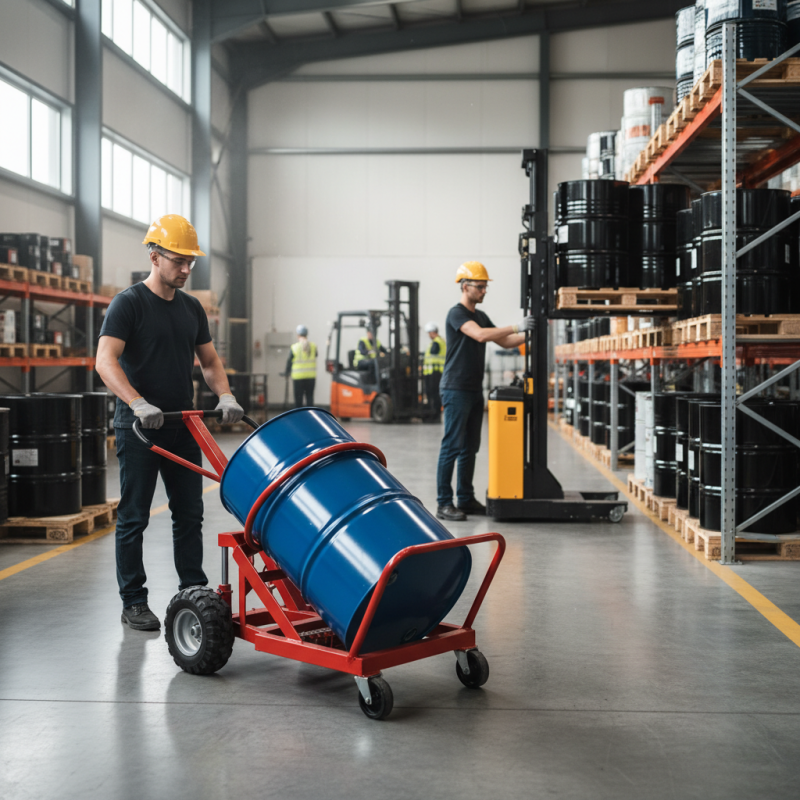
When selecting a drum truck for your material handling needs, it’s essential to understand the various types that are available in the market. Drum trucks primarily fall into two categories: manual and powered. Manual drum trucks rely on human effort for mobility and are typically lighter and more economical. According to the Material Handling Industry (MHI), manual drum trucks can save up to 60% of the labor costs associated with transporting heavy materials, making them ideal for smaller operations or workplaces where power sources are limited.
On the other hand, powered drum trucks, such as electric or hydraulic models, provide a higher degree of efficiency and ease, particularly in environments where heavy drums must be moved frequently. Data from the Industrial Truck Association suggests that powered drum handling equipment can improve productivity by up to 30% when moving large quantities of drums, a critical factor in high-demand industries such as manufacturing and warehouses. Additionally, powered models often come with advanced features such as ergonomic handles and automatic height adjustments, which help in reducing worker fatigue and promoting safety.
Lastly, it’s important to consider the specialized drum trucks designed for specific applications, such as those with unique designs for handling non-standard drum sizes or features that facilitate the movement of hazardous materials securely. Understanding these differences can significantly impact operational efficiency and worker safety, allowing businesses to make informed decisions that align with their material handling requirements.
Types of Drum Trucks and Their Usage
Key Factors to Consider When Selecting a Drum Truck for Material Handling
When selecting a drum truck for your material handling needs, several key factors must be considered to ensure optimal performance and safety. First, assess the weight and size of the drums you’ll be transporting. Drum trucks come in various load capacities, so it is crucial to choose a model that can safely handle the maximum weight of the drums. Additionally, make sure to check the dimensions of the truck to ensure it can accommodate the specific sizes of drums you regularly handle, whether they are standard 55-gallon drums or other sizes.
Another important factor is the terrain on which the drum truck will be used. If you're navigating uneven or outdoor surfaces, consider a drum truck with larger wheels for better maneuverability. Swivel wheels can also enhance control, making it easier to navigate tight spaces. Lastly, look into the features that facilitate ease of use, such as ergonomic handles and foot-operated brakes, which can greatly enhance the safety and efficiency of drum handling, reducing the risk of accidents or injuries in the workplace.
Evaluating Load Capacity and Stability in Drum Truck Selection
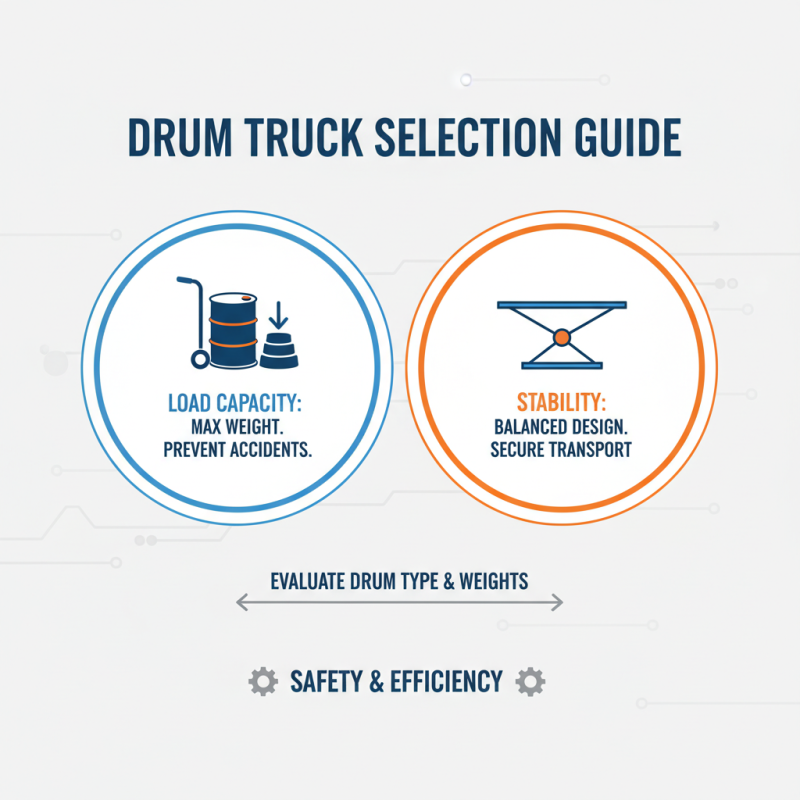
When selecting the right drum truck for your material handling needs, evaluating load capacity and stability is crucial. The load capacity refers to the maximum weight that the drum truck can safely handle, influencing not only the efficiency of your operations but also the safety of your workforce. Be sure to assess the types and weights of the drums you plan to move, as exceeding the specified load capacity can lead to equipment failure or accidents.
Stability is another essential factor in drum truck selection. A stable drum truck minimizes the risk of tipping over, especially when maneuvering in tight spaces or on uneven surfaces. Look for features such as a low center of gravity and wide base for better balance. Additionally, consider the wheel design and material, which can affect maneuverability and stability on different terrains.
**Tips:** When evaluating load capacity, it’s wise to factor in the weight of the drum plus its contents. Always choose a drum truck that exceeds your maximum expected load. For stability, opt for models with adjustable handles for better control and leverage during transport. Regular maintenance checks on your drum truck can also help ensure its continued performance and safety over time.
Importance of Ergonomics and Ease of Use in Drum Truck Design
When selecting a drum truck for material handling, the significance of ergonomics and user-friendliness cannot be overstated. According to a report by the Occupational Safety and Health Administration (OSHA), improper material handling techniques are responsible for over 30% of workplace injuries, many of which involve the back and musculoskeletal disorders. An ergonomic drum truck, designed with the user's comfort and safety in mind, can significantly reduce these risks by promoting better posture and minimizing strain during lifting and transportation.
Ease of use plays a crucial role in improving efficiency and productivity within the workplace. A survey conducted by the Material Handling Industry (MHI) indicated that approximately 80% of operators prefer equipment that is simple to maneuver and operate. Features such as lightweight designs, adjustable handles, and wheels that swivel easily can enhance maneuverability, allowing workers to navigate tight spaces without compromising safety. This is particularly important in high-paced environments where time and safety are paramount.
Investing in ergonomic and user-friendly drum trucks not only supports the well-being of workers but also leads to lower operational costs in the long run. Research indicates that companies that prioritize ergonomic designs witness a 25% reduction in workplace injuries and associated costs. This illustrates that the thoughtful integration of ergonomics in drum truck design is not just a matter of comfort; it's a strategic approach to ensuring workforce safety and operational efficiency.
Assessing the Durability and Maintenance Needs of Drum Trucks
When selecting a drum truck for your material handling needs, durability and maintenance are critical factors to consider. The lifespan of a drum truck can vary significantly depending on the materials used in its construction. According to industry standards, heavy-duty drum trucks made from high-grade steel can offer a lifespan that exceeds 10 years under regular use. In contrast, lower-quality alternatives may begin to show signs of wear after just a few months. Assessing the weight capacity, typically ranging from 300 to 1,500 pounds, is essential in ensuring that the truck can handle your specific materials without compromising its structural integrity.
Maintenance requirements are another key aspect of drum truck ownership. Regular inspections and maintenance can enhance the longevity of the equipment significantly. Reports indicate that maintaining proper lubrication at pivot points and checking for tire wear can reduce overall maintenance costs by up to 25%. Additionally, investing in corrosion-resistant materials can prevent degradation over time, particularly if the drum trucks are used in harsh environments. Data shows that organizations that follow a routine maintenance schedule can expect increased efficiency and fewer incidents of equipment failure, which ultimately contributes to lower operational costs.