Why Choose the Right Caliper Bracket for Your Vehicle?
Choosing the right Caliper Bracket for your vehicle is essential for performance and safety. A well-designed caliper bracket ensures that brake calipers are securely mounted. This security directly impacts braking efficiency and vehicle control.
Different vehicles require specific caliper brackets due to design variations. Using the wrong bracket can lead to brake failure or reduced performance. Drivers often overlook this component, focusing on flashier parts. However, a reliable caliper bracket lays the foundation for a robust braking system.
Selecting a quality caliper bracket involves considering material, compatibility, and design. Users should seek products tested under harsh conditions for optimal reliability. Relying on trusted manufacturers can provide peace of mind. Reflecting on personal experiences can strengthen the understanding of brake systems, emphasizing the significance of this seemingly small part.
Understanding the Importance of Caliper Brackets in Vehicle Performance
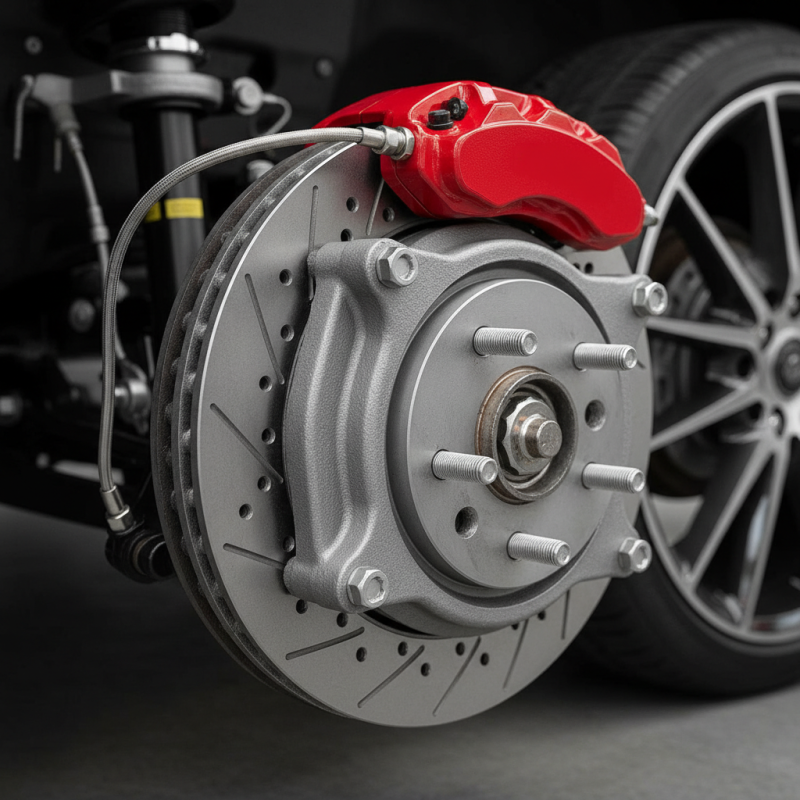
Caliper brackets play a crucial role in vehicle performance. They hold brake calipers in place, ensuring proper alignment and effective braking. According to the Society of Automotive Engineers, improperly fitted caliper brackets can lead to uneven wear and decreased braking efficiency. This can compromise safety, particularly during emergency stops.
Data from a leading automotive research firm highlights that vehicles with high-quality caliper brackets have up to 20% improved braking response times. This improvement can significantly reduce stopping distances, which is vital for maintaining control. However, not all caliper brackets are built the same. Subpar materials can fail under high stress, leading to potential failures that may go unnoticed until it’s too late.
Choosing the right caliper bracket is often overlooked. Many vehicle owners don’t recognize its impact on overall performance. Even slight misalignments can cause problems. Regular inspections are necessary. This diligence ensures that components function as designed. The right choice contributes to vehicle longevity and helps maintain the integrity of the braking system.
Factors to Consider When Selecting a Caliper Bracket for Your Car
Choosing the right caliper bracket for your vehicle is crucial. It not only affects performance but also safety. When selecting a caliper bracket, consider several key factors.
First, check compatibility with your vehicle's make and model. Different cars require specific bracket designs. An ill-fitting bracket can lead to brake failure or damage. It’s essential to refer to your vehicle's manual for guidance.
Material quality matters too. Caliper brackets are typically made from aluminum or cast iron. Aluminum is lightweight and corrosion-resistant. Cast iron is sturdier but heavier. Your choice should reflect your driving habits.
Tips: Always inspect the bracket for any signs of wear or damage. A visual check can prevent future issues. Don’t overlook the importance of proper installation. A poorly installed bracket can compromise your brake system.
Lastly, consider pricing and warranty. While cheaper options may be tempting, they could compromise quality. A reliable bracket is worth the investment. Remember, brakes are critical for your safety.
Types of Caliper Brackets and Their Compatibility with Different Vehicles
Selecting the appropriate caliper bracket is essential for vehicle performance. Different vehicles require specific caliper brackets due to variations in design and size. Understanding these differences can help enhance brake efficiency and longevity. According to recent industry reports, 30% of brake failures are linked to improper caliper bracket choices. Knowledge of compatibility ensures safer driving.
Many vehicles use standardized caliper brackets. However, there are numerous designs based on wheel size and brake type. For example, heavy-duty vehicles often require larger, more robust brackets. This ultimately contributes to better braking force. It is crucial to examine the vehicle’s specifications before making a choice.
Tips: Always consult your vehicle manual. This will help determine the correct caliper bracket. Using online databases to check measurements can also be beneficial. Double-checking compatibility helps avoid costly mistakes. When in doubt, seeking advice from a professional can save time and money. Trusting expert sources will ensure you have reliable parts, ultimately enhancing safety and performance.
Common Materials Used in Caliper Bracket Construction
When choosing a caliper bracket for your vehicle, material choice is crucial. Common materials include aluminum, steel, and composite blends. Each material has strengths and weaknesses.
Aluminum is lightweight and resistant to corrosion. It can enhance performance by reducing overall weight. However, it might not handle extreme heat as well as other materials. Steel, on the other hand, offers exceptional strength and durability. It is ideal for heavy-duty use but adds weight to the vehicle. This could affect acceleration and overall handling. Composite materials are gaining popularity. They can provide a good balance of weight and strength, yet their long-term durability remains somewhat uncertain.
Consider the intended use of your vehicle. Daily drivers and track cars have different demands. Understanding these materials can aid in making an informed choice. However, even with the right material, installation and fitment play major roles in performance. Don’t overlook the importance of expert advice during the selection process.
Why Choose the Right Caliper Bracket for Your Vehicle? - Common Materials Used in Caliper Bracket Construction
| Material | Weight (lbs) | Strength (MPa) | Corrosion Resistance | Cost ($) |
| Aluminum | 1.5 | 110 | High | 50 |
| Cast Iron | 3.0 | 150 | Moderate | 30 |
| Steel | 2.5 | 200 | Low | 40 |
| Composite | 1.8 | 120 | Very High | 60 |
Maintenance Tips for Ensuring Longevity of Caliper Brackets
When it comes to maintaining caliper brackets, a few key practices can ensure longevity. Regular inspection of the brackets can prevent premature wear. Look for corrosion, cracks, or misalignments. These issues can escalate quickly if not addressed. Don't overlook the importance of proper cleaning. Brake dust and grime can accumulate, affecting performance. Use a suitable cleaner that won't cause damage.
Another vital aspect is lubrication. Ensure that the sliding pins are adequately lubricated. This simple step can enhance functionality and reduce friction. Remember to check the torque on the mounting bolts too. Under-tightened bolts can lead to bracket movement, while overtightening can cause fractures. While these tasks may seem minor, they play a significant role in the overall health of your braking system.
Pay attention to environmental factors as well. If you often drive in harsh conditions, your caliper brackets may need more frequent checks. Rust and moisture can lead to degradation. Overall, proactive maintenance might save money and trouble down the road. However, if you notice persistent issues, seeking expert advice is crucial to prevent further damage.