In today's fast-paced industrial landscape, the efficiency of operations is paramount to business success. Selecting the right material handling systems can significantly impact productivity, safety, and overall operational costs. According to a report by the Material Handling Industry of America (MHIA), companies that implement efficient material handling systems can reduce operational costs by up to 30%, highlighting the importance of choosing the right solution to meet specific business needs.
As businesses continue to evolve and adapt to market demands, the need for customized material handling solutions becomes increasingly critical. Industry data indicates that nearly 75% of logistics professionals cite increased efficiency as a top priority, further emphasizing the role of innovative material handling systems in achieving this goal. With advancements in technology and automation, businesses must navigate a plethora of options—each offering unique features and benefits tailored to distinct operational requirements.
In this context, understanding the key factors to consider when evaluating material handling systems is essential. From analyzing workflow processes and assessing space constraints to considering employee safety and ergonomic solutions, making an informed decision can lead to improved operational effectiveness. As your business seeks to optimize its material handling processes, a strategic approach will ensure that you select the systems best suited to your objectives and requirements.
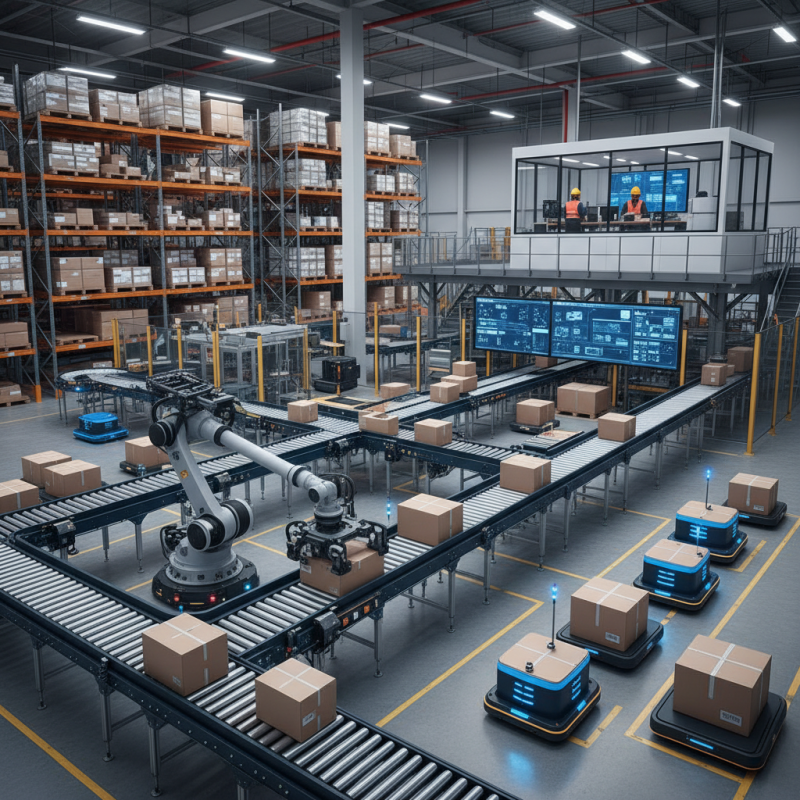
When selecting the appropriate material handling systems for your business, understanding your specific requirements is paramount. According to a report by the Material Handling Industry of America (MHIA), nearly 80% of companies that assess their material handling needs effectively report improved operational efficiency. The key to making an informed decision lies in a thorough analysis of your workflow, the volume and type of materials handled, and the spatial layout of your facility.
Investigating the nuances of your operation can reveal insights about necessary equipment and integration capabilities. For example, whether your business demands high-throughput automation or relies more on labor-intensive processes can significantly influence your choice of systems. Data from the 2022 Warehouse Automation Market report indicates that businesses implementing tailored material handling solutions observed an average increase in productivity by 25%. By honing in on specific operational demands, companies can optimize handling systems to enhance efficiency and ultimately drive profitability.
When evaluating different types of material handling systems, it is essential to understand the specific requirements and constraints of your business. The global material handling equipment market is projected to reach approximately $200 billion by 2027, with a growing emphasis on automation and efficiency. Traditional systems, such as conveyors and forklifts, still play a vital role in warehousing and distribution. However, new technologies, including Automated Guided Vehicles (AGVs) and robotics, are rapidly gaining traction, driven by their ability to enhance throughput and reduce labor costs.
In assessing these systems, consider factors such as space utilization, load capacities, and the nature of the materials being handled. For instance, the Warehousing Education and Research Council reports that properly implemented material handling systems can improve overall operational efficiency by up to 20%. Additionally, the choice of a material handling system directly impacts safety, inventory accuracy, and delivery speeds. Companies must conduct a thorough analysis, including cost-benefit assessments, to determine the best fit for their needs, ensuring that the chosen system aligns with their growth strategies and operational goals.
| System Type | Description | Advantages | Disadvantages | Best Used For |
|---|---|---|---|---|
| Conveyor Systems | Automated systems for transporting materials and products to various locations in a facility. | Efficient, reduces manual labor, reliable over long distances. | High initial investment, limited flexibility. | Continuous flow operations, production lines. |
| Forklifts | Powered industrial trucks used to lift and move materials over short distances. | Versatile, easy to maneuver, can be used outdoors. | Requires skilled operators, can be hazardous. | Warehouse operations, loading and unloading docks. |
| Pallet Racks | Storage systems that support handling and storing palletized goods. | Maximizes storage space, easy access to inventory. | Requires careful organization, potential for injury if overloaded. | Warehouses, distribution centers. |
| Automated Guided Vehicles (AGVs) | Mobile robots used to transport materials around a facility without human intervention. | Increases efficiency, reduces labor costs, enhances safety. | High setup costs, requires a planned layout. | Manufacturing plants, large distribution centers. |
| Overhead Cranes | Lifting devices that consist of a hoist that moves materials horizontally and vertically. | Ideal for heavy loads, requires less floor space. | Expensive installation, requires skilled operators. | Steel mills, warehouses with heavy machinery. |
When it comes to selecting the right material handling systems for your business, assessing space and layout constraints is a pivotal step. The efficiency of your operations largely depends on how well you can utilize the available space. Begin by evaluating your facility’s dimensions, including ceiling height, floor area, and aisle widths. This information is crucial as it dictates the type of handling equipment that can be employed, ranging from pallet racking systems to conveyor belts.
**Tips:** Consider conducting a detailed analysis of the workflow patterns within your space. Identifying high-traffic areas can help optimize the layout, reducing congestion and improving safety. Additionally, modular systems may offer flexibility, allowing for adjustments as your business grows or changes.
Another critical aspect to keep in mind is the type and volume of materials you handle. Different materials may require specific handling systems that consider weight load, fragility, or ergonomic factors. A well-thought-out layout integrates storage solutions with handling components to create a streamlined process that supports your operational goals.
**Tips:** Use simulation software or layout planning tools to visualize the proposed setup before implementation. This allows you to fine-tune your design, ensuring it meets both current and future needs without sacrificing efficiency. Collaboration with your team throughout the planning phase can also provide insights into practical challenges and improvements.
When selecting material handling systems, businesses often grapple with the balance of cost versus efficiency. Cost plays a crucial role in decision-making; however, it is essential not to sacrifice efficiency in pursuit of lower prices. Implementing an inexpensive solution may lead to higher long-term expenses due to repairs, inefficiencies, or even increased labor costs. Therefore, companies need to assess the total cost of ownership, including maintenance, training, and potential downtimes, when evaluating their options.
Efficiency in material handling systems can significantly enhance productivity and streamline operations. An efficient system reduces time spent managing materials, minimizes the risk of errors, and can improve safety in the workplace. Businesses must analyze their specific needs—such as the volume of materials handled, the types of products, and spatial constraints—to determine which systems will provide the best performance relative to their costs. Investing in automation and technology may require a higher initial outlay but could lead to substantial savings and improved efficiency over time. Ultimately, the right choice blends a thorough understanding of both upfront costs and operational efficiency to meet unique business requirements.
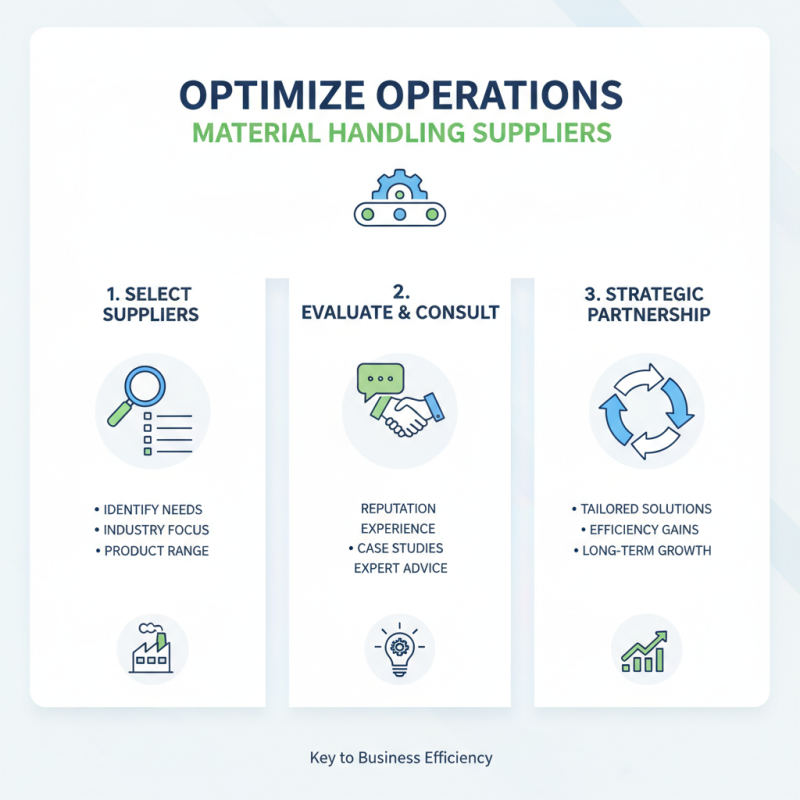
Selecting the right suppliers and consulting experts for material handling systems is crucial for optimizing operational efficiency within your business. Start by identifying potential suppliers who specialize in the type of material handling systems that align with your specific needs. It's essential to evaluate their reputation, industry experience, and the breadth of their product offerings. Look for reviews or case studies that demonstrate their capability in providing solutions tailored to similar businesses. Engaging suppliers who have a deep understanding of your industry can lead to more effective recommendations and solutions.
Once you have shortlisted suppliers, it’s beneficial to consult with experts in material handling. These professionals can offer insights into the latest technology trends, best practices, and innovative solutions that may not be immediately apparent. Consider organizing meetings or workshops where your team can discuss their challenges and receive tailored advice. Involving experts early in the decision-making process can help you avoid costly mistakes and ensure that the systems you choose are both scalable and future-proof, ultimately supporting your business growth.