What Is Material Handling Equipment and Its Types?

Material handling equipment keeps products moving, protected, and traceable across factories, warehouses, and distribution centers. It includes forklifts, conveyors, cranes, palletizers, automated storage systems, and mobile robots. Each type solves a different physical problem. Some lift heavy loads. Others shorten travel distances or improve picking accuracy.

The MHI 2024 Annual Industry Report found that 55% of supply chain professionals planned to increase technology investment. That figure signals strong demand for automation, but it does not guarantee a successful project. Site layout, operator training, maintenance, and product dimensions still matter. Sometimes, a simple pallet jack outperforms an expensive system. That detail is easy to overlook.

Fortune Business Insights valued the global material handling equipment market at approximately $212.1 billion in 2023. Its report projects growth to about $307.6 billion by 2030. Estimates vary by definition and region. Numbers can mislead without context.

John Paxton, former president and CEO of MHI, offered a practical industry perspective: “Technology is an enabler, not the strategy.” That principle remains relevant. Equipment should support safer work, steadier throughput, and better inventory control. It should not merely look modern.

This guide explains what material handling equipment is and how its major types work. It connects equipment choices with real warehouse conditions, including narrow aisles, uneven floors, fragile cartons, and peak-season pressure. The analysis also considers limitations. No single machine fits every operation.
What Is Material Handling Equipment and Its Types?

Definition and Role of Material Handling Equipment

What Is Material Handling Equipment and Its Types?

Material handling equipment refers to tools and systems that move, store, protect, and control materials. It supports work between receiving, storage, production, and shipping areas. Common examples include hand trucks, pallet jacks, forklifts, conveyors, hoists, racks, and automated storage systems. Each type addresses a different handling need.

Its role is practical and measurable. A pallet jack moves loaded pallets across short distances. A conveyor maintains a steady flow between workstations. Racking uses vertical space and keeps inventory visible. Lifting equipment reduces manual strain when workers handle heavy or awkward loads. Good equipment can shorten travel time, reduce product damage, and improve workplace control. Small details matter, too. Wheel condition, load capacity, aisle width, and floor quality can affect daily performance.

Selection should match the material, distance, weight, speed, and working environment. During warehouse reviews, I have found that expensive equipment is not always the best answer. A simple cart may outperform a powered machine in a narrow, low-volume area. That deserves reflection. Poor layout can weaken good equipment. Operators need clear training, practical procedures, and accessible maintenance records. Even a clean machine can become unsafe when inspections are rushed. Usage data helps reveal bottlenecks, but staff experience often explains why they occur. That human detail is easy to overlook.

Main Categories of Material Handling Equipment

Main Categories of Material Handling Equipment

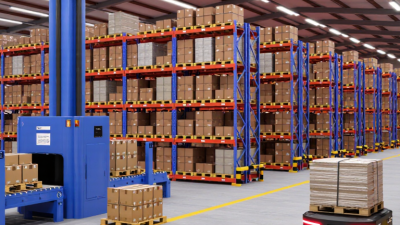
Storage equipment includes shelving, racks, bins, and mezzanines. These systems keep products visible, stable, and easy to access. A well-planned rack layout can reduce walking distance and prevent damaged cartons. Small details matter.

Conveying equipment moves materials along a fixed route. Belt conveyors, roller conveyors, and chain conveyors suit different loads and working conditions. Belt surfaces handle packaged goods smoothly, while rollers support rigid boxes and containers.

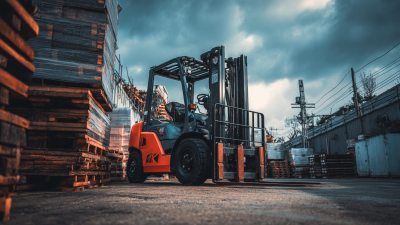
Industrial trucks, such as forklifts, pallet trucks, and stackers, provide flexible movement across changing work areas. They need clear aisles, trained operators, and regular inspections. I have seen minor floor damage create unstable loads, so surface checks should not be ignored.

Positioning equipment helps workers lift, rotate, or place materials accurately. Lift tables, hoists, and manipulators can reduce awkward reaching and repetitive strain.

Automated storage and retrieval systems add software control, sensors, and precise inventory tracking. They can improve consistency, but they also require reliable maintenance and accurate data. A wrong item location can interrupt an entire workflow.

In practice, no category works perfectly alone. Equipment selection should reflect load weight, dimensions, travel distance, operator skill, and maintenance capacity. Some facilities overinvest in automation before fixing poor layouts. That decision deserves a second look.

How Material Handling Equipment Works

Material handling equipment moves, stores, protects, and controls goods inside a facility. It includes conveyors, pallet trucks, hoists, lifts, automated storage systems, and mobile robots. Its operation follows a practical sequence: detect the load, support its weight, move it safely, and place it accurately. Sensors read position, distance, and weight. Controllers then adjust speed or stop the equipment when conditions change.

A conveyor, for example, uses powered rollers or belts to create steady product flow. A lift table raises a pallet to a safer working height. An automated storage system combines software, motors, sensors, and rack locations. The control system receives an order, identifies the storage position, and directs a carrier to retrieve the load. According to the International Federation of Robotics’ World Robotics 2024 report, 541,302 industrial robots were installed globally in 2023. This figure shows how automation is becoming part of everyday material movement, not merely a laboratory concept.

Performance depends on more than machinery. Operators must check load limits, floor conditions, emergency stops, and pedestrian routes. MHI’s 2024 Annual Industry Report identifies labor pressure and automation investment as continuing supply chain concerns. Yet no layout is perfect. A sensor may misread a damaged carton, while a rushed worker may bypass a safe route. Regular inspections, clear training, and accurate maintenance records keep the system dependable. I have found that small details matter: a worn wheel, a loose guard, or a poorly placed scanner can slow an entire shift.

What Is Material Handling Equipment and Its Types? - How Material Handling Equipment Works

Equipment Type Primary Material-Handling Function How It Works Typical Load or Capacity Movement or Control Method Common Applications Main Advantages Important Considerations
Manual Pallet Jack Moving palletized loads over short distances A hydraulic pump raises the forks slightly above the floor while the operator pushes or pulls the handle. Commonly up to approximately 2,500 kg Manual steering and manual pushing or pulling Loading areas, storage aisles, retail backrooms and truck unloading Low purchase cost, simple operation and limited maintenance Requires suitable floor conditions and physical effort from the operator
Powered Pallet Truck Transporting pallets horizontally with reduced manual effort An electric motor drives the wheels and usually powers the lifting mechanism for the forks. Often approximately 1,500–3,000 kg Battery-powered travel with operator controls Distribution centers, warehouses and production supply routes Faster movement and lower operator exertion than a manual pallet jack Battery charging, pedestrian safety and aisle clearance must be managed
Forklift Truck Lifting, stacking and transporting palletized or unit loads Vertical hydraulic cylinders raise the mast and forks; the truck moves the load using powered wheels. Common warehouse models range from about 1,500–5,000 kg Operator-driven electric, internal-combustion or other powered configurations Receiving, pallet storage, manufacturing and outdoor yards Combines lifting and horizontal transportation in one machine Requires trained operators, load-capacity checks and appropriate safety controls
Reach Truck Placing and retrieving pallets in high-density storage racks A telescoping or moving mast extends the forks forward to access rack locations while the truck remains in the aisle. Often approximately 1,000–2,500 kg Electric drive with operator-controlled mast and fork functions Narrow-aisle warehouses and high-bay pallet storage Uses vertical space efficiently and operates in narrower aisles than many counterbalance trucks Rack design, floor flatness, visibility and residual capacity are critical
Belt Conveyor Continuous movement of cartons, parcels, totes or bulk materials A motor rotates pulleys that move a continuous belt along a frame. Determined by belt width, speed, product weight and conveyor length Motorized continuous motion; speed may be fixed or variable Order fulfillment, packaging lines, airports and manufacturing Provides consistent flow and can connect multiple workstations Needs guarding, emergency stops, belt alignment and regular inspection
Roller Conveyor Moving rigid-base loads such as cartons, totes and pallets Loads travel over a series of rollers driven by a motor or moved by gravity. Depends on roller spacing, frame design and the load's base condition Powered, gravity-assisted or manually pushed Shipping lines, accumulation zones, pallet handling and sortation areas Durable surface with relatively low friction for suitable loads Irregular, soft-bottomed or very small items may not convey reliably
Overhead Crane Lifting and positioning heavy loads within a defined work area A hoist raises the load, while a bridge and trolley move it horizontally along elevated runways. Capacity varies widely, from light-duty loads to many tonnes Electric or manual hoisting with pendant, cab or remote control Steel fabrication, machine shops, foundries and heavy maintenance Frees floor space and handles loads that are too heavy for mobile equipment Requires engineered support, rated lifting accessories and exclusion zones
Hoist Vertical lifting and lowering of suspended loads A motor, gear train, chain or wire rope applies lifting force through a hook or attachment. Ranges from light workshop loads to heavy industrial loads Electric, pneumatic or manual control Workstations, maintenance bays, construction and crane systems Provides controlled vertical movement with compact installation options Load rating, hook condition, braking and sling selection must be checked
Scissor Lift Table Raising or lowering materials to an ergonomic working height Hydraulic or electric actuators expand crossed support arms to move a platform vertically. Typically selected according to platform size and rated lifting load Stationary, mobile or integrated into a production line Pallet loading, assembly, order picking and ergonomic workstations Reduces bending and improves access to different working levels Platform stability, pinch-point protection and safe positioning are essential
Automated Guided Vehicle Automated transport of materials along repeatable facility routes Onboard controls follow programmed routes using guidance methods such as magnetic markers, reflectors or mapped navigation. Selected according to the vehicle platform and payload requirement Battery-powered autonomous travel under a control system Factory lines, warehouses and repetitive point-to-point transport Provides repeatable delivery and can reduce routine manual transport Needs route planning, traffic controls, charging arrangements and safety sensors
Autonomous Mobile Robot Flexible transport, picking support or movement of carts and shelves Sensors and software map the environment, identify obstacles and calculate routes to assigned destinations. Varies by platform; commonly designed for totes, carts or pallet loads Battery-powered autonomous navigation with fleet coordination Goods-to-person picking, internal logistics and flexible warehouse transport Routes can be adapted more easily than fixed conveyor systems Requires reliable wireless connectivity, floor access and human-robot safety procedures
Automated Storage and Retrieval System Automatically storing and retrieving inventory from high-density locations Cranes, shuttles or other automated devices move loads between storage positions and input/output stations. Designed around the selected load unit, such as a tote, carton or pallet Computer-controlled vertical and horizontal movement High-volume distribution, temperature-controlled storage and manufacturing logistics High storage density, inventory traceability and reduced travel inside aisles Requires accurate data, standardized loads, system integration and planned maintenance
Sortation System Directing products or parcels to specific destinations Sensors identify each item, and diverters, chutes or cross-belt mechanisms route it to the assigned destination. Based on item dimensions, weight, shape and system design Continuous automated motion controlled by software and sensors Parcel distribution, e-commerce fulfillment and baggage handling Improves throughput and reduces manual destination handling Accurate identification, suitable packaging and regular cleaning are important
Pallet Racking Organizing and storing palletized inventory vertically Upright frames and horizontal beams support pallets at designated storage levels. Determined by beam rating, pallet dimensions and rack configuration Static storage; forklifts or other equipment perform loading and retrieval Warehouses, distribution centers and industrial storage areas Uses vertical space and provides organized access to pallet positions Requires correct installation, load signage, inspections and impact protection

Note: Capacity and operating specifications vary according to equipment configuration, load dimensions, operating environment and applicable safety requirements.

Key Applications Across Different Industries

Material handling equipment includes tools that move, store, protect, and control materials. Common types include conveyors, forklifts, pallet jacks, cranes, hoists, shelving systems, and automated storage equipment. Each option serves a different workplace condition. Weight, distance, floor space, product fragility, and handling frequency all influence the correct choice. A strong assessment also considers operator training, maintenance access, noise, and emergency movement routes.

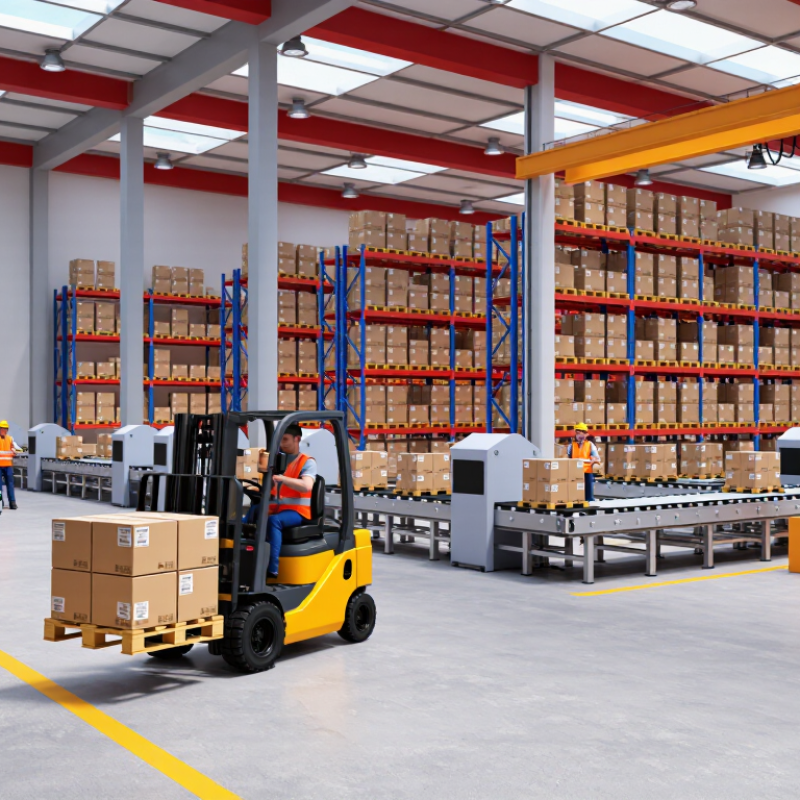
In warehouses, conveyors connect receiving docks with sorting and packing areas. Shelving and pallet systems use vertical space while keeping stock visible. Forklifts handle heavy loads, but narrow aisles require careful speed control. Small mistakes can damage products or racks. In manufacturing plants, cranes lift dies, steel parts, and machinery between workstations. Roller conveyors support steady production, while hoists provide controlled positioning during assembly.

Hospitals use compact carts and lift equipment to move supplies, waste containers, and medical devices. Cleanability and quiet operation matter more than raw capacity. In food processing, stainless surfaces and washable designs help reduce contamination risks. Agriculture depends on elevators, augers, conveyors, and loaders for grain, feed, and harvested crops. Ports and construction sites need cranes and heavy-duty vehicles for containers, building materials, and equipment.

Automation can improve consistency, but it is not always the best answer. Poor layout, weak inspection routines, or unsuitable software can reduce its value. Some smaller facilities may gain more from simple equipment and disciplined procedures. Regular checks should examine wheels, brakes, chains, guards, load ratings, and floor conditions. Safety rules must match local requirements and actual working habits, not just written policies.

What Is Material Handling Equipment and Its Types?

Material handling equipment includes forklifts, conveyors, pallet jacks, cranes, hoists, automated storage systems, and mobile robots used to move, store, protect, and control materials. These systems support warehousing, manufacturing, construction, retail distribution, and logistics operations.

The chart shows OSHA's estimated annual number of U.S. forklift-related fatalities and injuries. Forklifts are commonly used for pallet transport and loading in warehouses, factories, construction sites, wholesale facilities, and distribution centers.

Source: U.S. Occupational Safety and Health Administration (OSHA), “Powered Industrial Trucks.”

Factors for Selecting the Right Equipment

Material handling equipment includes tools that move, lift, store, or protect goods inside a facility. Selecting the right option starts with the actual workflow. Measure load weight, dimensions, travel distance, and daily moves before comparing equipment. A pallet jack may suit short transfers, while a lift truck handles vertical storage. For continuous movement, conveyors can reduce walking, but they need fixed layouts and clear access paths. Keep it practical.

Warehouse conditions often decide whether equipment performs well. Narrow aisles require compact turning and accurate control. Cold rooms, dust, moisture, and uneven floors can quickly expose unsuitable designs. Check rated capacity at the highest lift, not only at floor level. Operator visibility, controls, noise, and seat posture affect safety and fatigue. I have seen teams focus on purchase price and overlook charging, inspections, spare parts, and training. That choice became expensive.

A reliable selection compares total cost over the equipment’s working life. Include energy use, planned maintenance, downtime, installation, and worker instruction. Ask whether technicians can access key components without lengthy disassembly. Review safety records and maintenance documentation from qualified suppliers. Pilot testing is valuable. Run the equipment with real loads during the busiest shift. Watch for hesitation, blocked sightlines, unstable loads, and awkward manual adjustments. Flexibility also matters; a layout may change after one busy season. I would not treat every calculation as final. Actual workflow often reveals assumptions that drawings miss.