What is Pocket Filter Media and How Does It Work?
pocket filter media plays a crucial role in air filtration systems. It is designed to capture dust, allergens, and other particles efficiently. With increasing air pollution, the need for effective filtering solutions is essential.
These filters are often made from synthetic fibers or other advanced materials. They provide a larger surface area for capturing contaminants. This design helps improve airflow and reduce energy consumption in HVAC systems. However, not all pocket filter media perform equally. Some may clog quickly, reducing efficiency.
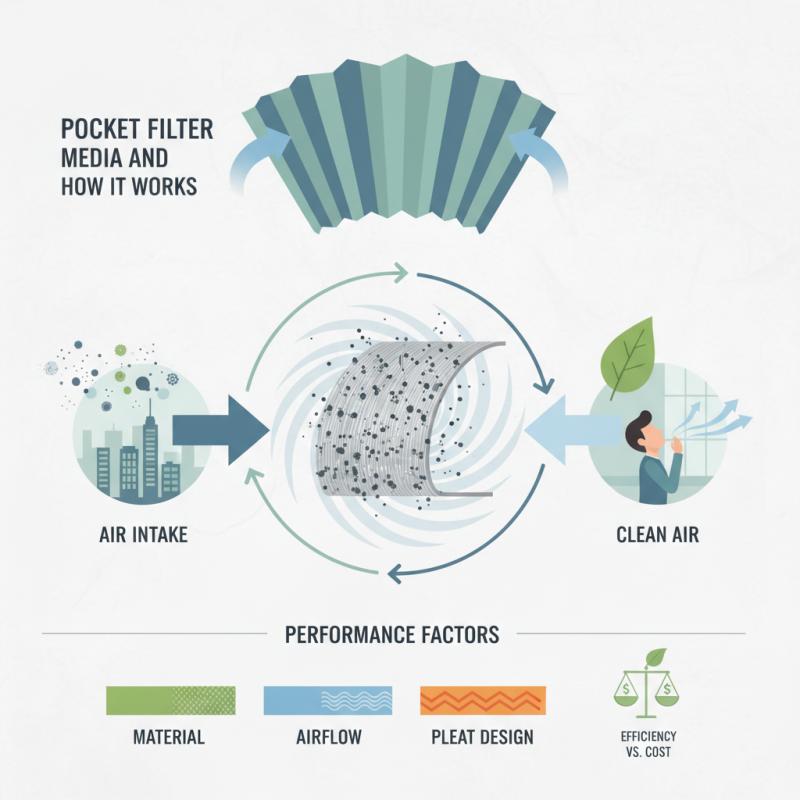
Choosing the right pocket filter media is vital for optimal performance. Factors like filter material, airflow resistance, and pleat design significantly impact functionality. It is important to reflect on the specific needs of your environment when selecting filters. Ultimately, finding the perfect balance between efficiency and cost is a continuous challenge for many users.
What is Pocket Filter Media?
Pocket filter media are vital components in air filtration. They are designed to capture airborne particles effectively. Their construction includes multiple layers, which increases surface area and filtration efficiency. The pockets create spaces for air to flow while trapping dust, pollen, and other contaminants.
This filtration method is common in various settings, from industrial facilities to residential buildings. The filters can vary in size and material, impacting their performance. Regular maintenance and replacement are crucial, as clogged filters can reduce airflow and efficiency. Users sometimes overlook this aspect, leading to subpar air quality.
In conclusion, understanding pocket filter media is essential for optimal use. They play a significant role in maintaining a clean environment. However, the effectiveness can diminish if not properly cared for. Ensuring timely checks and replacements can prevent unwanted issues.
Types of Pocket Filter Media Available
Pocket filter media plays a vital role in air filtration systems. Various types of pocket filter media are available, each serving different applications. Common materials include synthetic fibers, glass fibers, and polyester. These options offer unique benefits and challenges.
Synthetic fibers are lightweight and durable. They provide excellent filtration efficiency and dust-holding capacity. However, they may not withstand high temperatures well. Glass fibers, on the other hand, excel in high-temperature environments. They can handle more demanding conditions but are heavier and more brittle. Polyester filters are widely used for their balance between performance and cost. They are easy to install and maintain, yet they might not filter out the smallest particles effectively.
When selecting pocket filter media, consider the specific air quality needs. Evaluate the environment and the types of particles present. Choose materials that match your requirements. Always look for filters that ensure a good airflow while maintaining high filtration efficiency.
Tips: Regularly check and replace the filters to maintain performance. Monitor air quality closely to adjust your filtration strategy. Be aware of the limitations of each material to make informed choices.
Mechanism of Action in Filtration Systems
Pocket filter media serves a critical role in various filtration systems. It is constructed from synthetic materials that capture particulate matter efficiently. The mechanism of action relies on a combination of depth loading and surface filtration. As air or liquid passes through, larger particles adhere to the surface, while smaller ones are trapped within the media's fibers. This dual-action ensures effective filtration.
According to industry reports, pocket filters can achieve efficiency ratings up to 95% for capturing particles as small as 0.5 microns. This capability is crucial in applications such as HVAC systems, where maintaining air quality is vital. However, the effectiveness can decline if filters are not replaced regularly. A study indicated that clogged filters can increase energy costs by 20%. Therefore, regular maintenance is essential to prevent inefficiencies.
Despite their benefits, pocket filters pose challenges. They can be prone to saturation, leading to decreased airflow. In some situations, the initial cost of high-efficiency filters is a concern for many operators. Balancing cost and performance remains a complex issue in the industry. Further research into optimizing materials may address these shortcomings.
Applications of Pocket Filter Media in Various Industries
Pocket filter media are versatile tools utilized across various industries. Their ability to capture particulate matter makes them essential in air and liquid filtration systems. In commercial buildings, these filters enhance indoor air quality. They prevent dust and other pollutants from circulating, creating a healthier work environment. Factories also benefit from using pocket filters, as they maintain optimum performance of machinery by removing airborne contaminants.
In the healthcare industry, pocket filter media play a crucial role. They help maintain the sterile environment needed for patient safety. Hospitals use these filters in ventilation systems to reduce the risk of infection. In laboratories, they protect sensitive equipment from harmful particles. Despite their efficiency, the selection process for pocket filters can be complex. Choosing the right filter often requires careful consideration of specific applications. This oversight can lead to inefficiencies that affect performance.
Additionally, the environmental impact of discarded pocket filters raises concerns. While they are effective in collecting pollutants, the accumulation of used filters poses waste management challenges. Industries must find sustainable ways to handle filtration media. This aspect requires ongoing improvement and critical reflection on how best to balance performance and environmental stewardship.
Benefits of Using Pocket Filter Media in Air Quality Control
Pocket filter media plays a crucial role in air quality control. They are designed to capture airborne particles efficiently. With a high dust holding capacity, pocket filters can enhance indoor air quality significantly. Studies show that effective filtration can reduce particulate matter by over 90%. This is vital for environments like hospitals and factories where clean air is essential.
These filters operate using a series of pockets that increase surface area. As air passes through, particles trap against the filter material. This design allows them to maintain airflow while providing excellent filtration efficiency. However, it's important to monitor their performance regularly. A clogged filter can lead to reduced efficiency and increased energy consumption. In fact, reports indicate that a dirty filter can increase energy use by as much as 15%.
The implementation of pocket filter media can be beneficial, but they are not without challenges. Choosing the right filter for specific needs is crucial. Not all filters perform equally in different environments. A mismatch can lead to inadequate air quality and health risks. Regular maintenance and assessment are necessary. Balancing effectiveness and efficiency is part of the ongoing conversation around air quality management.
Benefits of Using Pocket Filter Media in Air Quality Control