Why Understanding Material Handling Equipment is Essential for Warehouse Efficiency
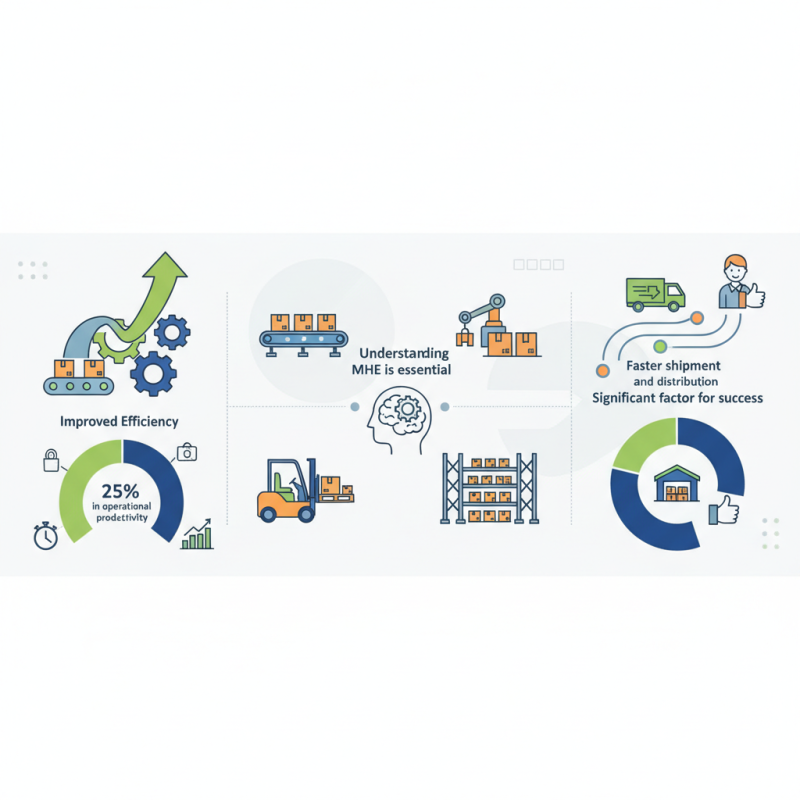
In the rapidly evolving world of logistics, understanding material handling equipment (MHE) has become paramount for enhancing warehouse efficiency. According to a report by the Material Handling Industry of America, companies that invest in modern MHE can improve their operational productivity by up to 25%. As the demand for faster shipment and distribution continues to rise, implementing the right MHE is critical to streamlining processes and reducing labor costs.
Material handling equipment encompasses a wide range of tools, including conveyors, forklifts, and automated storage systems, which are essential for the effective movement and storage of goods within a warehouse. In fact, a survey conducted by the Warehousing Education and Research Council found that 70% of warehouse operators believe that adequate MHE is a significant factor that influences their overall operational success. As businesses strive for improved efficiency and competitiveness, understanding the pivotal role of MHE in warehouse operations is not just beneficial but essential for success in today’s logistics landscape.
Importance of Material Handling Equipment in Modern Warehousing
In today's fast-paced logistics landscape, understanding material handling equipment (MHE) is pivotal for enhancing the efficiency of modern warehousing operations. According to a report by the Material Handling Industry of America (MHIA), effective material handling can increase productivity by up to 25%, significantly influencing overall operational performance and cost savings. This statistic underscores the vital role that MHE plays in streamlining processes such as inventory management, order fulfillment, and shipping.
The integration of advanced material handling equipment, including automated guided vehicles (AGVs), conveyor systems, and robotic pickers, contributes to not only reducing labor costs but also minimizing errors in warehouse operations. A study from the Warehousing Education and Research Council (WERC) highlights that warehouses utilizing automation technologies can increase throughput by 50% while simultaneously reducing the time and labor required for various tasks. By optimizing space utilization and facilitating safer, faster workflows, MHE is essential for adapting to the demands of e-commerce and just-in-time delivery models, thereby ensuring that warehouses remain competitive in a rapidly changing market.
Key Types of Material Handling Equipment and Their Functions
Material handling equipment plays a crucial role in enhancing warehouse efficiency by streamlining the movement, protection, and storage of goods. Among the key types of equipment, forklifts are vital for lifting and transporting heavy items across short distances. They enable warehouse workers to move materials with ease, significantly reducing the risk of injury and improving productivity. Another essential tool is the pallet jack, which facilitates the quick maneuvering of palletized loads. This compact equipment is especially useful in tight spaces and for inventory organization.
Conveyors also represent a fundamental category of material handling equipment, designed to transport items automatically from one location to another within the warehouse. By minimizing manual handling, conveyors help to optimize workflow and reduce bottlenecks in the supply chain. Additionally, shelving systems and racks are integral for maximizing vertical storage space, allowing for better inventory management and accessibility. Each type of material handling equipment serves a specific function that supports efficient operations and ultimately contributes to the overall success of warehouse management.
Why Understanding Material Handling Equipment is Essential for Warehouse Efficiency
| Type of Equipment |
Function |
Efficiency Benefits |
| Forklifts |
Lifting and transporting materials |
Reduces manual labor, speeds up loading and unloading |
| Conveyor Systems |
Automated transportation of goods |
Increases throughput, minimizes handling time |
| Pallet Jacks |
Lifting and moving palletized loads |
Enhances portability, efficient in small spaces |
| Stacker Cranes |
Automated storage and retrieval of goods |
Maximizes storage density, reduces labor costs |
| Automated Guided Vehicles (AGVs) |
Transporting materials with minimal human intervention |
Increases safety, reduces errors |
Impact of Efficient Material Handling on Warehouse Productivity
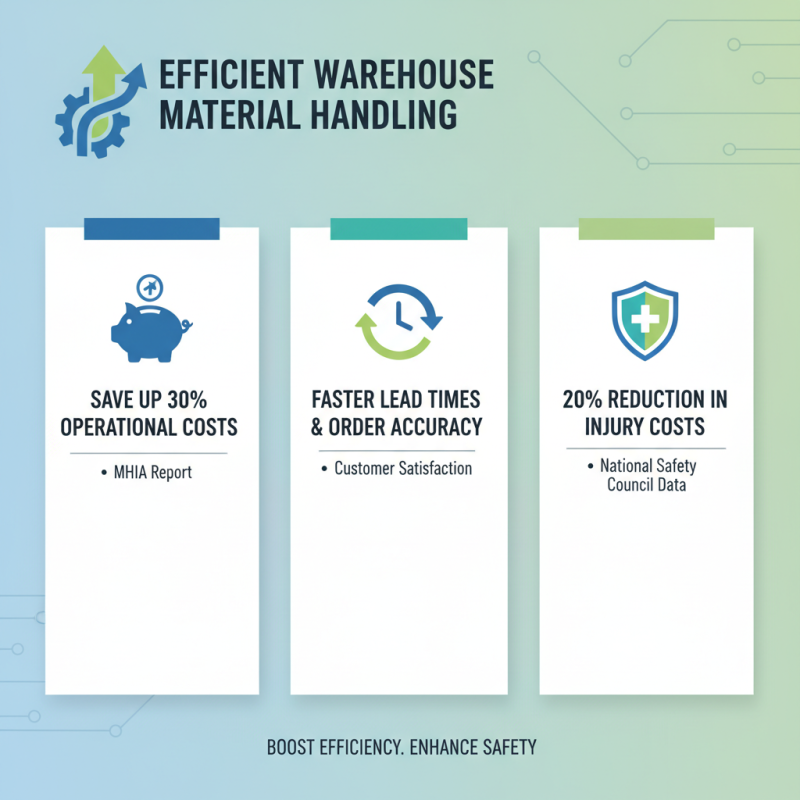
Efficient material handling is a pivotal factor in the overall productivity of a warehouse. According to a report by the Material Handling Industry of America (MHIA), improvements in material handling processes can lead to operational savings of up to 30%. This enhancement often translates to shorter lead times and increased order accuracy, both vital for maintaining customer satisfaction and fostering repeat business. When warehouses invest in optimizing material handling equipment and processes, they not only boost their operational efficiency but also create a safer working environment, which can reduce total injury costs by 20% as supported by data from the National Safety Council.
Moreover, the implementation of advanced material handling technologies, such as automated guided vehicles (AGVs) and warehouse management systems (WMS), has been shown to further elevate productivity. A study conducted by the Warehousing Education and Research Council (WERC) indicated that warehouses leveraging technology saw a 40% increase in throughput and a 34% reduction in order processing times. This efficiency allows for quicker inventory turnover, which is crucial in today's fast-paced consumer environment. By streamlining material handling, companies can significantly enhance their operational capabilities, ultimately leading to improved bottom-line results and greater competitive advantage in the market.
Best Practices for Selecting Material Handling Equipment
Selecting the right material handling equipment is critical for optimizing warehouse operations. First and foremost, understanding the specific needs of your warehouse is essential. Consider factors like the types of products being handled, the volume of inventory, and the layout of the facility. Choosing equipment that matches these requirements can significantly enhance efficiency, reduce operational bottlenecks, and improve overall workflow.
Additionally, ergonomics and safety should play a pivotal role in the selection process. Equipment that minimizes physical strain on workers not only boosts productivity but also helps prevent injuries. Implementing features such as adjustable heights, proper grips, and intuitive controls can facilitate smoother operations.
Furthermore, ensure that the selected equipment complies with safety regulations to create a secure working environment. Evaluating these aspects meticulously will lead to informed decisions that foster a safer and more productive warehouse setting.
Future Trends in Material Handling Technology and Automation
As warehouses continue to evolve, understanding the future trends in material handling technology and automation becomes crucial for operational efficiency. The integration of robotics and automated systems is reshaping traditional methods, offering an array of benefits including increased speed and accuracy in order fulfillment. As companies seek to streamline their processes, investing in advanced technologies like autonomous mobile robots (AMRs) and automated guided vehicles (AGVs) will become a necessity. These innovations not only reduce labor costs but also enhance safety by minimizing human error in the working environment.
Tip: When considering automation solutions, assess your specific warehouse layout and operational needs. Tailoring technology to your workflow can maximize efficiency and reduce downtime.
In addition to robotics, data analytics and IoT (Internet of Things) are playing significant roles in forecasting and inventory management. Smart sensors and connected devices allow real-time tracking of inventory levels and equipment performance, enabling more informed decision-making. This level of visibility can drastically cut down on delays and stock discrepancies, ensuring that businesses can meet customer demands promptly.
Tip: Implement training programs for your staff to familiarize them with new technologies. Engaging employees in the transition can lead to smoother adoption and greater overall efficiency.