Why Choose a Forklift Drum Lifter for Safer Handling?
Why Choose a Forklift Drum Lifter for Safer Handling?
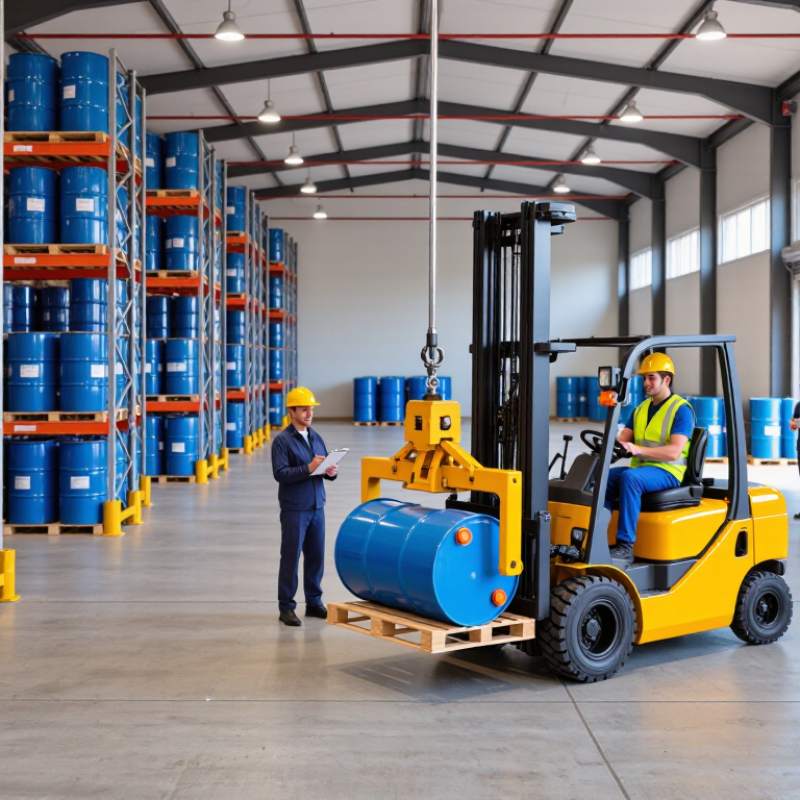
Moving steel and plastic drums can expose workers to awkward lifting, unstable loads, and sudden spills. A forklift drum lifter provides a controlled way to collect, transport, and position drums with less manual contact. Its jaws or cradle grip the drum while the forklift carries the weight. This can improve balance across busy warehouses, production areas, and loading zones.
Safety depends on more than the attachment itself. Operators should check the drum lifter’s rated capacity, locking mechanism, frame condition, and compatibility with the forklift. A practical inspection may reveal worn hooks, loose fasteners, or damaged contact pads before a serious incident occurs. The drum should remain centered and secure during travel. Keep the route clear.
Small details matter.
Experienced teams also consider drum material, rim design, surface condition, and the distance between storage locations. A dented drum may not engage correctly, even when the equipment appears suitable. Manufacturers’ instructions and applicable workplace safety requirements should guide selection, training, and daily use. These steps support reliable handling without pretending that equipment can remove every risk.
There is room for improvement. Some facilities choose attachments by price alone, then discover that poor visibility or difficult release controls slow operations. A forklift drum lifter should be assessed in the real working environment, not only in a product catalogue. When workers receive practical training and report near misses, safer handling becomes a repeatable habit rather than a hopeful assumption.
What Is a Forklift Drum Lifter?
Why Choose a Forklift Drum Lifter for Safer Handling?
What Is a Forklift Drum Lifter?
A forklift drum lifter is an attachment fitted onto forklift forks. It grips a steel or plastic drum around its rim, allowing operators to lift, move, and sometimes rotate it. The attachment reduces direct handling near heavy containers. It also keeps the drum closer to the carriage than improvised chains or loose slings.
In practical warehouse operations, the lifter changes the load center. That matters. A full 200-liter drum may weigh over 200 kilograms, depending on its contents. OSHA reports approximately 85 forklift-related deaths and 34,900 serious injuries each year in the United States. These figures show why attachment selection, operator training, and capacity checks deserve attention. A drum lifter is not a magic shield. A poorly secured drum can still swing, slip, or damage racking.
Before use, verify the attachment’s rated capacity, fork dimensions, drum diameter, and locking method. Check the drum rim for dents or corrosion. Confirm that the forklift’s revised load chart supports the combined load. OSHA’s powered industrial truck rules also require trained operators and pre-use inspections. I would not skip the visual check, even during a rushed shift. Small defects often become expensive lessons.
Tips: Keep the drum upright unless rotation is required. Drive slowly over uneven floors. Keep pedestrians outside the operating zone. Test the grip with a few centimeters of lift before travelling. Record repeated slipping or balance problems, then review the equipment choice.
How a Forklift Drum Lifter Works
Why Choose a Forklift Drum Lifter for Safer Handling?
A forklift drum lifter turns the forklift into a controlled gripping system for steel or plastic drums. The attachment slides onto the forks through reinforced fork pockets. Pins or a locking bar then secure it to the carriage. This prevents unwanted movement during lifting. The design may use a rim clamp, body clamp, or lifting hooks, depending on the drum type.
Here is how the process works.
The operator approaches the drum with the lifter level and centered. A clamp engages beneath the drum’s top rim or around its body. When the forks rise, the drum’s weight strengthens the grip through mechanical leverage. Some models use a manual latch, while others use a self-locking mechanism. The operator should confirm full engagement before moving. A visible gap can signal poor positioning.
Keep the load close to the floor while traveling.
Move slowly around corners and avoid sudden braking. Check the drum surface, clamp points, fork pockets, and locking parts before each shift. Rated capacity matters, especially when the drum is full. A damaged rim may not hold securely, even when the attachment looks correctly fitted.
The system is not foolproof.
I have seen operators focus on the clamp but ignore drum balance. That small mistake can create swinging and load instability. Different drums require different gripping methods, so one attachment may not suit every container. Manufacturer instructions and site procedures should guide the final setup.
Key Safety Benefits of Using a Drum Lifter
Why Choose a Forklift Drum Lifter for Safer Handling?
Key Safety Benefits of Using a Drum Lifter
A forklift drum lifter keeps the container secured during lifting, travel, and placement. Its jaws or cradle support the drum instead of relying on improvised chains. That distinction matters. OSHA estimates that powered industrial trucks cause about 85 workplace fatalities and 34,900 serious injuries each year. Many incidents involve unstable loads, poor visibility, or struck-by hazards.
A properly selected drum lifter improves load control and reduces manual contact. Operators can position drums while standing away from pinch points. Locking mechanisms help prevent unexpected release during movement.
The attachment also keeps the load closer to the forklift’s centerline, supporting better stability. NIOSH identifies overturns, falling loads, and pedestrian impacts as recurring forklift injury patterns. A drum lifter cannot correct excessive speed or uneven floors.
Small details still decide outcomes. Inspect the locking hook, welds, pins, and drum rim before every shift. Confirm the attachment’s rated capacity, drum type, and load center. Train operators to travel slowly, keep forks low, and avoid sudden turns. These steps reflect OSHA’s powered industrial truck training requirements, not optional advice.
The equipment is not foolproof. A damaged drum may slip. A rushed operator may bypass the lock. That uncomfortable possibility deserves attention during daily inspections and refresher training. Safety improves when the attachment, forklift, load, and operator are treated as one working system.
Choosing the Right Forklift Drum Lifter
Choosing the right forklift drum lifter starts with the drum itself. Check its material, diameter, height, weight, and rim condition before selecting equipment. A lifter should match the drum securely, without crushing thin walls or slipping during movement. Confirm the forklift’s rated capacity, attachment class, and load center. These details are easy to overlook.
In daily handling, visibility matters as much as lifting strength. Choose a design that keeps the drum stable and limits obstruction for the operator. Automatic gripping can reduce manual contact, while a positive locking mechanism helps prevent unexpected release. For frequent pouring, a rotation feature may improve control, but it also demands careful speed management. I have found that the “strongest” option is not always the safest. Oversized equipment can reduce balance and make narrow aisles harder to navigate.
Tips: Measure before ordering. Test the attachment with an empty drum first. Inspect jaws, pins, welds, and locking parts before each shift. Keep the drum centered and move slowly over uneven floors. Train operators on the specific lifter, not only the forklift. A written inspection record adds useful accountability. Recheck the choice when drum types or warehouse layouts change. Small differences in rim shape can affect grip reliability. Do not ignore them.
Safe Operating Steps and Maintenance Practices
Why Choose a Forklift Drum Lifter for Safer Handling?
Safe operation begins before the forklift moves. Inspect the drum lifter for cracked welds, loose pins, worn jaws, and damaged locking parts. Check the forklift’s rated capacity against the combined load weight. Never guess. Read the equipment instructions and follow your site’s lifting procedures. Wear safety footwear, gloves, eye protection, and high-visibility clothing. Keep the travel path clear, dry, and well lit.
Position the forks evenly under the attachment, then lock it firmly in place. Center the drum before clamping. Make sure the jaws grip the drum securely, without crushing its surface. Lift only a few inches first. Stop and check for slipping. Keep the load low while traveling, and drive slowly around corners. Avoid sudden braking, uneven ground, and raised loads near people. No one should stand beneath or ride on the load.
Maintenance needs a regular rhythm. Remove dirt, oil, and residue after each shift. Lubricate approved pivot points, but keep oil away from gripping surfaces. Inspect bolts, chains, clamps, and welds at scheduled intervals. Record defects clearly and remove damaged equipment from service. A loose fastener can become a serious failure. It is easy to trust familiar equipment too much. That habit needs correction. Operators should also report unusual movement, noise, or reduced grip before the next lift. Fresh training helps, especially after repairs or staff changes.
Why Choose a Forklift Drum Lifter for Safer Handling?
A forklift drum lifter helps secure cylindrical loads during lifting, transport, and positioning. Safe operation depends on matching the attachment to the drum, staying within the rated capacity, and completing inspections at the required intervals.
Safe Operating Steps
- Check the forklift and drum lifter before use, including hooks, clamps, chains, latches, welds, pins, and visible damage.
- Confirm that the drum diameter, weight, and lifting method are compatible with the attachment rating and manufacturer instructions.
- Center and fully engage the drum before lifting; keep the load low and the mast tilted back during travel.
- Drive slowly, avoid sudden turns or braking, and keep people outside the operating area.
- Lower the drum completely before releasing the clamp or leaving the forklift.
Maintenance Practice
OSHA 29 CFR 1910.178(q)(7) requires powered industrial trucks to be examined at least daily, and after each shift when they are used around the clock. The chart shows the minimum inspection events implied by that rule for one-, two-, and three-shift operations. Remove damaged equipment from service until it has been repaired and approved for use.