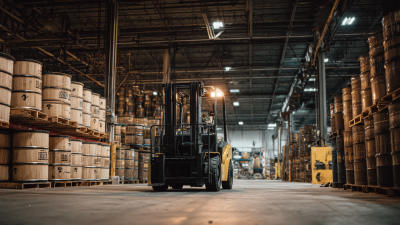
A forklift drum tipper is more than a lifting attachment. It helps an operator raise, secure, rotate, and empty a drum without relying on improvised handling. That matters when a steel drum must be positioned over a hopper, with its rim aligned and its contents poured under control. Small details matter.
OSHA’s Powered Industrial Truck eTool cites estimates of about 85 forklift-related fatalities and 34,900 serious injuries each year. These are historical estimates, not a drum-tipper-specific risk measure. Still, they show why attachment choice, operator training, load stability, and clear floor space deserve attention. OSHA’s standard states: “Only trained and authorized operators shall be permitted to operate a powered industrial truck.” A tipper cannot replace sound procedures.
The right forklift drum tipper can reduce manual handling and give operators more controlled pouring, especially where drums are heavy or frequently moved. Check the drum’s size, material, attachment capacity, and required tilt angle before choosing a model. Inspect the locking mechanism and test the setup with a controlled load. There is no universal fit. A poor match can create new risks.
A named, verifiable expert quotation was not included in the supplied material, so I won’t invent one. That gap matters: product claims should be checked against manufacturer specifications and qualified safety guidance.
What Is a Forklift Drum Tipper?
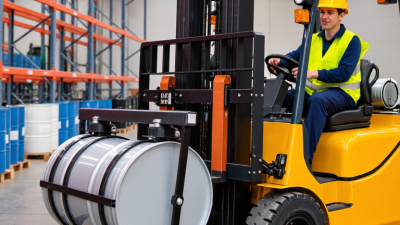
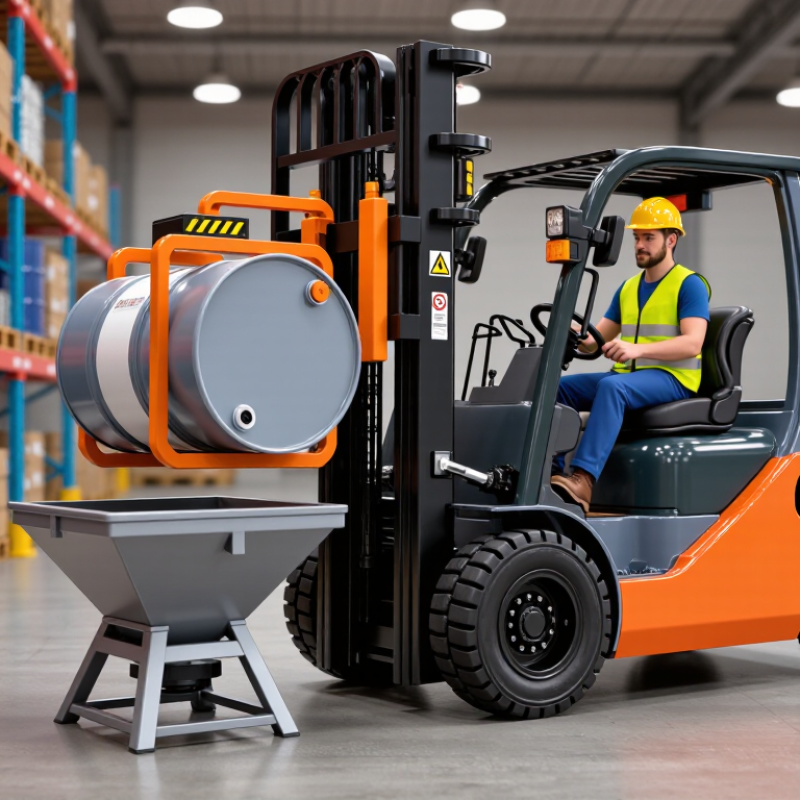
A forklift drum tipper is an attachment that grips, lifts, and rotates a drum so its contents can be poured at a controlled height. Depending on its design, it may use a cradle, clamping arms, or a powered rotation mechanism. The forklift provides movement; the attachment secures and tips the load. That distinction matters. A drum that shifts during rotation can spill or destabilize the truck.
Before selecting one, check drum diameter, filled weight, material, and required pouring angle. Confirm the attachment suits the forklift’s rated capacity and mounting system, and follow its operating instructions. OSHA’s forklift safety materials cite an estimate of about 85 fatal accidents and 34,900 serious injuries involving forklifts each year in the United States. This figure is not specific to drum handling, but it underscores why load control and operator training matter. A tipper helps manage pouring; it does not replace training or a clear work area. Small details count: uneven floors, loose lids, and residue on a drum can change how safely it handles. The fit is not always obvious. Check it in practice.
A forklift drum tipper is an attachment that lets a forklift lift, move, and tip a drum. Drum capacities vary; this chart shows common nominal sizes converted to litres. A 55-US-gallon drum is approximately 208 litres. Actual contents and filled weight depend on the material, so check the drum and attachment ratings before handling.
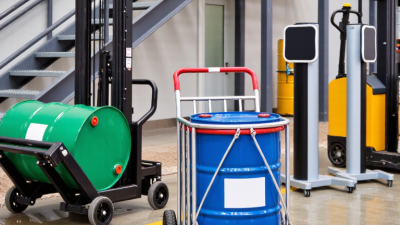
A forklift drum tipper connects to a forklift’s forks and holds a drum during lifting and controlled rotation. Depending on its design, the unit may use a hydraulic drive, a manual handwheel, or a chain-operated mechanism. The drum is secured with a clamp, strap, or shaped cradle. That contact matters. A loose or poorly matched drum can shift as the load tilts.
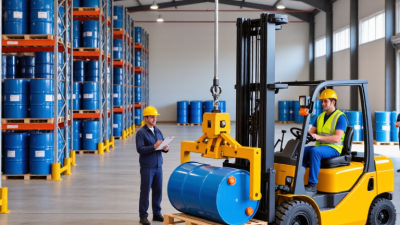
The operator positions the attachment around the drum and engages its retaining system before lifting. The forklift raises the load only enough to clear the floor, then moves slowly to the pouring point. To discharge, the operator turns the control or mechanism, rotating the drum toward the required angle. Some models allow near-full inversion; others provide a more limited tilt. The actual range depends on the attachment and drum shape.
Steady movement is important. A sudden turn can make liquid surge inside the drum, even when the drum looks secure. Check the attachment’s rated capacity, drum size, fork engagement, and locking parts before use. Keep people clear of the turning path, and follow the equipment instructions. One detail is easy to overlook: the forklift’s capacity may be reduced when an attachment extends the load forward. In practice, rotation may also feel less smooth with a partly filled drum. That deserves a pause, not a stronger push.
| Dimension | How It Works | Practical Benefit | Selection or Safety Consideration |
|---|---|---|---|
| Forklift connection | The attachment is fitted to the forklift carriage or forks, depending on its design. Some models use fork pockets; others connect to the carriage. | Uses an existing forklift to move and position drums, reducing the need to handle them manually. | Check the attachment’s mounting method, forklift compatibility, load center, and rated capacity before use. |
| Drum gripping | A clamp, rim-gripping mechanism, or other drum-specific holder secures the drum during lifting and rotation. | Helps keep a compatible drum controlled while it is moved or tipped. | Confirm that the gripping mechanism is suitable for the drum’s material, shape, rim, and condition. Do not assume one attachment fits every drum. |
| Lifting and positioning | The forklift raises and transports the secured drum. The operator positions it over or beside the intended receiving point. | Allows a drum to be moved to a work area and placed at a useful height. | Follow the forklift and attachment load charts. The attachment and load can reduce the forklift’s available lifting capacity. |
| Tilting and discharge | A hand-operated, geared, hydraulic, or powered mechanism rotates the held drum to pour or empty its contents. The mechanism varies by model. | Provides controlled tipping without requiring an operator to manually tilt a full drum. | Use a receiving container with adequate capacity, and keep people clear of the drum and discharge area while tipping. |
| Returning the drum | After discharge, the operator rotates the drum back to its upright position and lowers it before releasing the grip. | Supports controlled placement and release after the contents have been transferred. | Make sure the drum is stable and the load is controlled before lowering or disengaging the attachment. |
| Why choose one | A forklift drum tipper combines drum transport, lifting, and rotation in one material-handling operation. | Can improve handling efficiency and reduce direct manual contact with heavy or awkward drums. | Choose an attachment for the drum type, required tipping direction, working environment, forklift, and applicable workplace procedures. |
| Safe operation | The operator follows the forklift and attachment instructions, secures the drum, and operates the equipment from the designated position. | Consistent checks and controlled movements help reduce the risk of dropped loads, spills, and equipment damage. | Inspect the attachment before use, use trained operators, keep within rated limits, and follow site rules and the manufacturer’s instructions. |
Why Choose a Forklift Drum Tipper?
What Materials and Tasks Can It Handle?
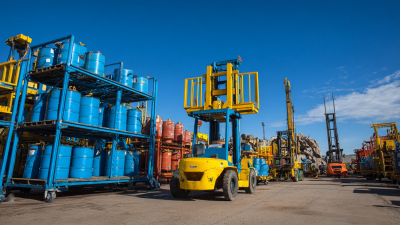
A forklift drum tipper can handle many materials stored in compatible drums, including oils, lubricants, liquid ingredients, powders, and dry granules. Its main job is to lift, position, and tilt a drum so contents can be poured into a tank, mixer, hopper, or smaller container. Some units rotate drums through a controlled arc; others offer more precise positioning for measured dispensing. Small adjustments matter.
In daily use, this attachment can reduce repeated manual lifting and help operators manage awkward loads at a practical working height. It may suit production areas, warehouses, and maintenance sites, but suitability depends on the drum’s size, weight, material, and condition. A dented or poorly sealed drum can behave unpredictably when tipped. Check the attachment’s rated capacity and the forklift’s remaining capacity with the attachment fitted. Also confirm that the drum material is compatible with the contents and the handling method. That check is easy to overlook. For powders or fine granules, slow tipping and suitable dust controls can help limit spills and airborne material. The attachment is useful, but it does not make every drum safe to handle.
A forklift drum tipper helps move and pour drums without relying on repeated manual lifting. The attachment grips a drum, lifts it with the forklift, and controls its rotation. An operator can position a drum over a mixing vessel or collection bin, then tip it at a measured pace. Less reaching. Less awkward twisting. These small changes can make routine handling more controlled, especially when drums are heavy or stored close together.
The practical advantage is not just speed. Keeping the drum supported during lifting can reduce direct handling and help limit spills when the load is secured correctly. A useful setup depends on the drum’s size, shape, condition, and contents, as well as the attachment’s rated capacity and the forklift’s load limits. Check the grip before lifting, keep people clear of the tipping area, and move smoothly. A worn rim or slick surface can still cause trouble. The attachment also adds weight and changes the load center, so operators need to account for both. It is helpful equipment, not a substitute for inspection or training.
A forklift drum tipper can reduce manual handling, but safe use starts with matching the attachment to the job. Check the drum’s material, diameter, weight, and rim condition. A dented or unusually shaped drum may not sit securely in a standard cradle. Confirm the tipper’s rated capacity and compare it with the forklift’s capacity at the attachment’s load center. The extra reach can reduce lifting capacity. Check the equipment manual, not just the rating plate.
Look for a positive drum-retention feature, secure attachment locking, and controlled tipping that lets the operator pour slowly. Keep the load low while traveling, use a level route, and make sure people stay clear of the discharge area. Small details matter. Before each shift, inspect pins, chains, clamps, and moving parts for wear or damage. A brief test with an empty drum can reveal awkward controls, though it does not replace training or the manual. Selection is not always straightforward; drum sizes vary, and a tipper that works well in one aisle may obstruct another. Check clearances, drum contents, and the planned pouring point before choosing.